
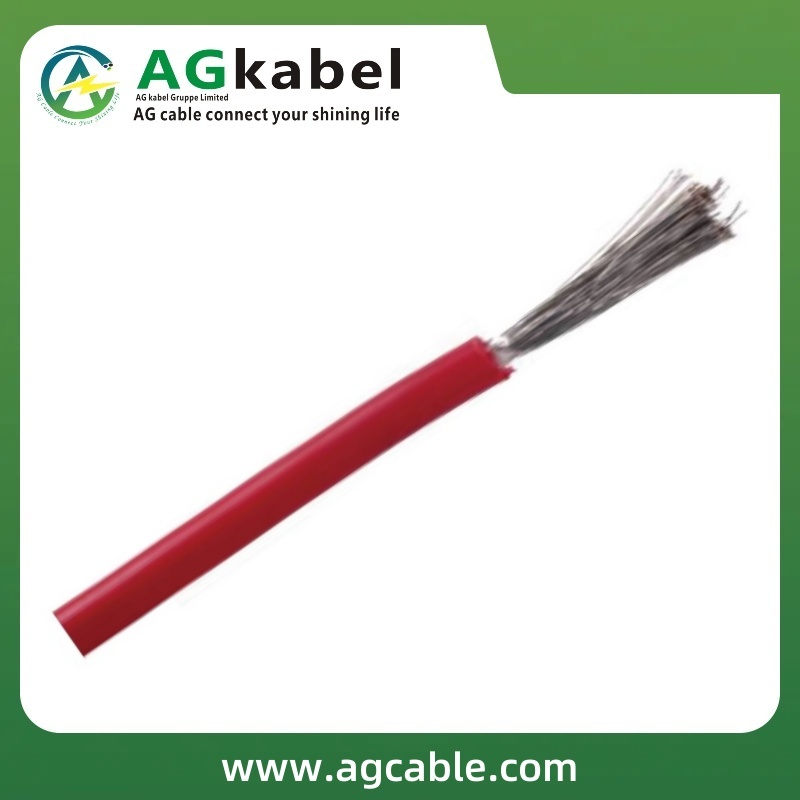
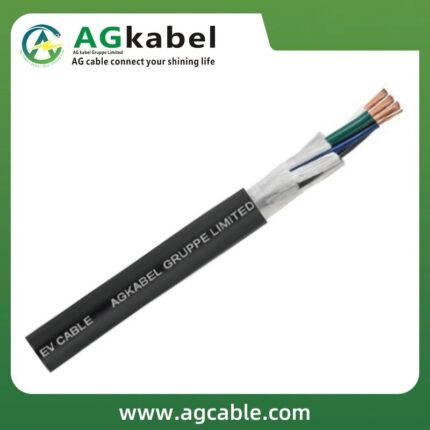
AGKABEL GRUPPE LIMITED presents the Electrical Vehicle Charging Cables, available in Type EVT (600V) and Type EVJT (300V) configurations. Engineered to meet the rigorous demands of modern EV charging infrastructure, these cables are intended for both outdoor and indoor use in accordance with Article 400 of the National Electrical Code (NEC). The use of advanced Thermoplastic Elastomer (TPE) for both insulation and the outer jacket provides outstanding flexibility and durability, ensuring the cable can withstand harsh environments. They offer excellent resistance to heat, cold, heat aging, chemicals, solvents, oil, and physical abrasion.
Technical Data
-
Standard: UL62
-
Conductor: Annealed stranded bare copper per ASTM B-174
-
Insulation: Thermoplastic Elastomer
-
Fillers: Optional
-
Jacket: Thermoplastic Elastomer
-
Temperature Range: -50°C to 105°C
-
Sheath Marking: Manufacture name (trademark) and type, Production year/week or batch number, Metre-marked
-
Application: Intended for outdoor or indoor use in accordance with Article 400 of the National Electrical Code.
Technical Specifications Table
| Type | Voltage | Conductor (AWG/Core) | No. of strands | Insulation Thick. (mm) | Sheath Thick. (mm) | Sheath Dia. (mm) | Max. DC Resistance at 20°C (Ohm/km) |
|---|---|---|---|---|---|---|---|
| EVT 3C+1C | 600V | 14#/3 | 41/0.254 | 1.14 | 1.52 | 14.3 | 8.79 |
| 18#/1 | 41/0.16 | 0.76 | 23.00 | ||||
| EVT 3C+1C | 600V | 12#/3 | 65/0.254 | 1.14 | 2.04 | 14.95 | 5.41 |
| 18#/1 | 41/0.16 | 0.76 | 23.00 | ||||
| EVT 3C+1C | 600V | 10#/3 | 41/0.405 | 1.14 | 2.41 | 15.30 | 3.64 |
| 18#/1 | 41/0.16 | 0.76 | 23.00 | ||||
| EVT 3C+1C | 600V | 8#/3 | 65/0.405 | 1.52 | 3.17 | 21.60 | 2.36 |
| 18#/1 | 41/0.16 | 0.76 | 23.00 | ||||
| EVT 3C+1C | 600V | 6#/3 | 105/0.405 | 1.52 | 3.56 | 24.20 | 1.44 |
| 18#/1 | 41/0.16 | 0.76 | 23.00 | ||||
| EVT 3C+1C | 600V | 4#/3 | 165/0.405 | 1.52 | 3.94 | 27.60 | 0.91 |
| 18#/1 | 41/0.16 | 0.76 | 23.00 | ||||
| EVT 3C+1C | 600V | 2#/3 | 257/0.405 | 1.52 | 4.32 | 31.40 | 0.57 |
| 18#/1 | 41/0.16 | 0.76 | 23.00 | ||||
| EVJT 3C+1C | 300V | 14#/3 | 41/0.254 | 0.76 | 0.76 | 9.7 | 8.79 |
| 18#/1 | 41/0.16 | 0.76 | 23.00 | ||||
| EVJT 3C+1C | 300V | 12#/3 | 65/0.254 | 0.76 | 1.14 | 11.6 | 5.41 |
| 18#/1 | 41/0.16 | 0.76 | 23.00 |
(Note: The prompt also included text for “FLY Cables PVC automotive cable. Conductors with cross-sections > 6 mm2 are also suitable as battery cable.” This refers to a separate automotive/battery product line, but the technical tables provided are specifically for the EVT/EVJT EV charging cables detailed above.)
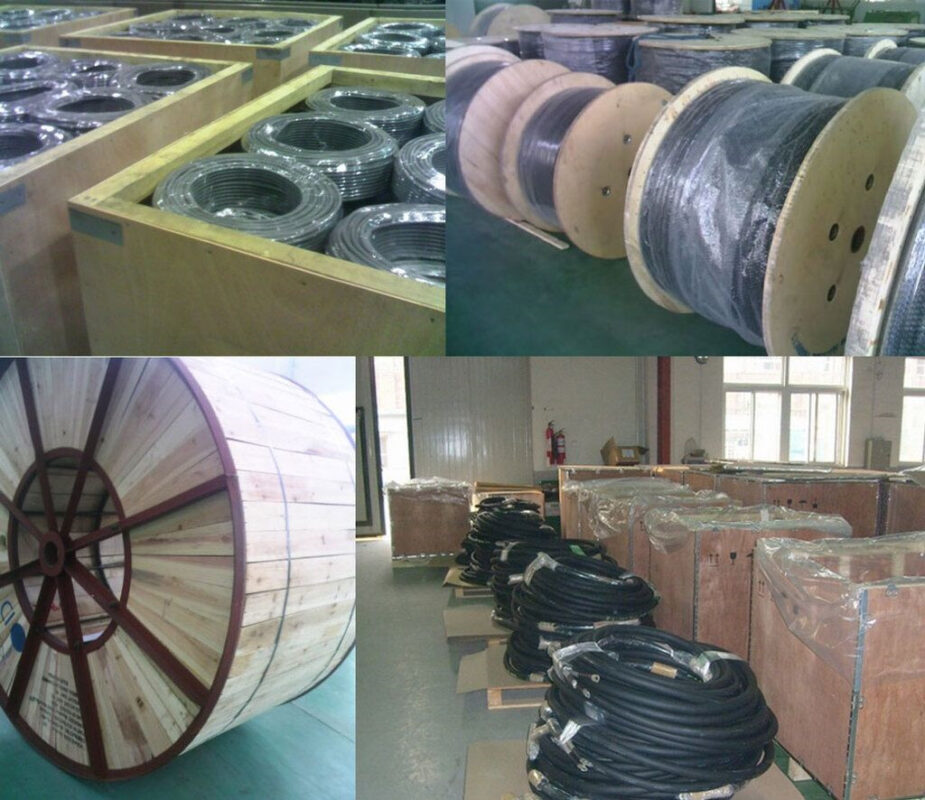
Factory Overview
Packaging & Shipping

Frequently Asked Questions (FAQ)
Q1: What is the main difference between Type EVT and Type EVJT cables?
A: The primary difference is the voltage rating and available sizes. Type EVT is rated for 600 Volts and comes in larger sizes (from 14 AWG up to 2 AWG), making it suitable for higher-power EV charging. Type EVJT is rated for 300 Volts and is available in smaller sizes (14 AWG and 12 AWG).
Q2: What are the primary applications for these cables?
A: They are designed for Electric Vehicle (EV) charging infrastructure and are intended for both indoor and outdoor use in accordance with Article 400 of the National Electrical Code (NEC).
Q3: What is the operating temperature range for these EV cables?
A: Both the EVT and EVJT cables are engineered for extreme environments, operating efficiently in temperatures ranging from -50°C to 105°C.
Q4: What materials are used for the insulation and jacket?
A: Both cables use Thermoplastic Elastomer (TPE) for the insulation and the outer jacket. This material provides excellent flexibility, high abrasion resistance, and protection against heat, cold, oil, solvents, and chemicals.
Q5: What does the “3C+1C” configuration mean?
A: The “3C+1C” indicates the cable contains 3 main power conductors plus 1 ground/neutral conductor (which is 18 AWG in these specifications).
Q6: What standards do these EV charging cables comply with?
A: They are manufactured to comply with UL62 standards. The conductors are made of annealed stranded bare copper conforming to ASTM B-174.
Q7: Regarding the text about “FLY Cables PVC automotive cable”, are these EV cables suitable for battery applications?
A: The specific EVT and EVJT cables in the table are designed for EV charging. However, the text provided indicates that the related FLY Cables (a separate PVC automotive line) with cross-sections greater than 6 mm² are suitable for use as battery cables.
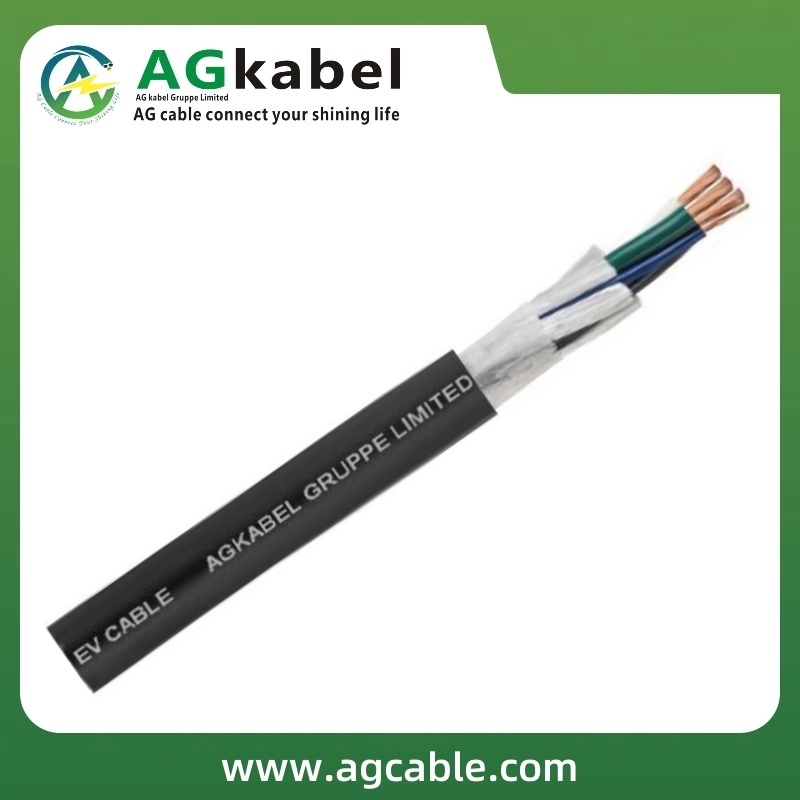
AGKABEL Electrical Vehicle Charging Cables – Type EVT & EVJT (UL62)
AGKABEL Electrical Vehicle Charging Cables – Type EVT (600V) & EVJT (300V)
-
Standards: UL62 certified, NEC Article 400 compliant for indoor/outdoor use.
-
Durability: High-performance Thermoplastic Elastomer (TPE) insulation and jacket for extreme flexibility and abrasion resistance.
-
Temperature Range: Operates in harsh conditions from -50°C to 105°C.
-
Resistance: Excellent resistance to heat aging, chemicals, solvents, oil, and cold.
-
Configurations: 3C+1C construction. EVT available from 14 AWG to 2 AWG (600V); EVJT available in 14 AWG and 12 AWG (300V).
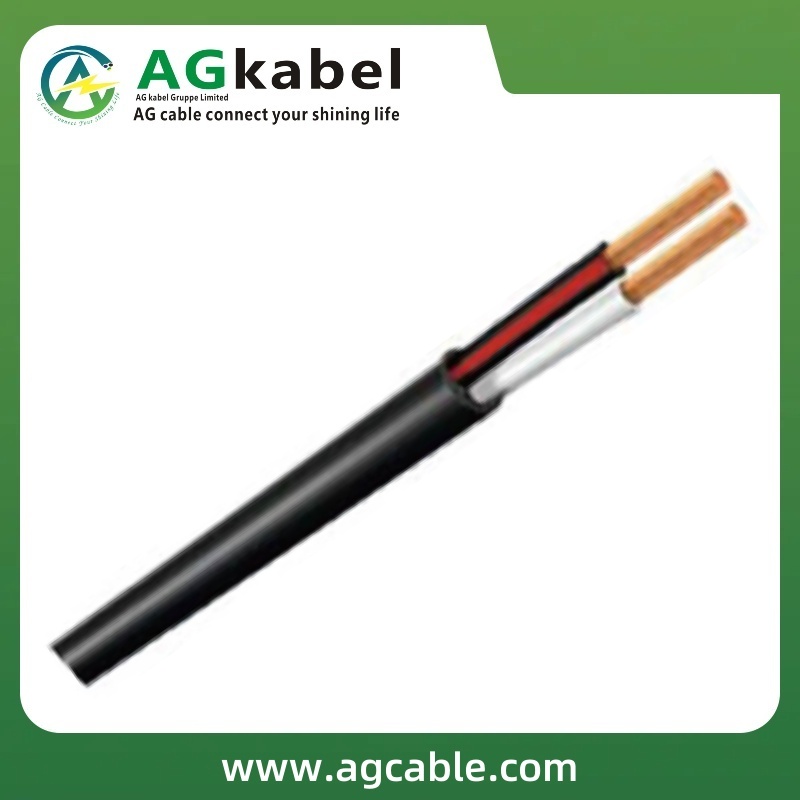
AGKABEL FLRY11Y Sensor Cables – ABS/ESP Automotive Cables with Reduced Wall Thickness PVC Insulation
AGKABEL FLRY11Y Sensor Cables are specialized automotive cables designed for ABS and ESP systems, featuring a reduced-wall PVC insulation that significantly saves space and weight in modern vehicle wiring harnesses. Built to EN 13602 standards with soft-annealed electrolytic copper conductors, they ensure accurate signal transmission. The cables are protected by a rugged TPE-U outer sheath, which provides exceptional resistance to hydrolysis, abrasion, and harsh road conditions. Rated for continuous operation from -40°C to +105°C, they are available in multi-core configurations (such as 2x0.75, 3x1.0, and 3x1.5) to meet the rigorous demands of automotive safety and sensor networks.
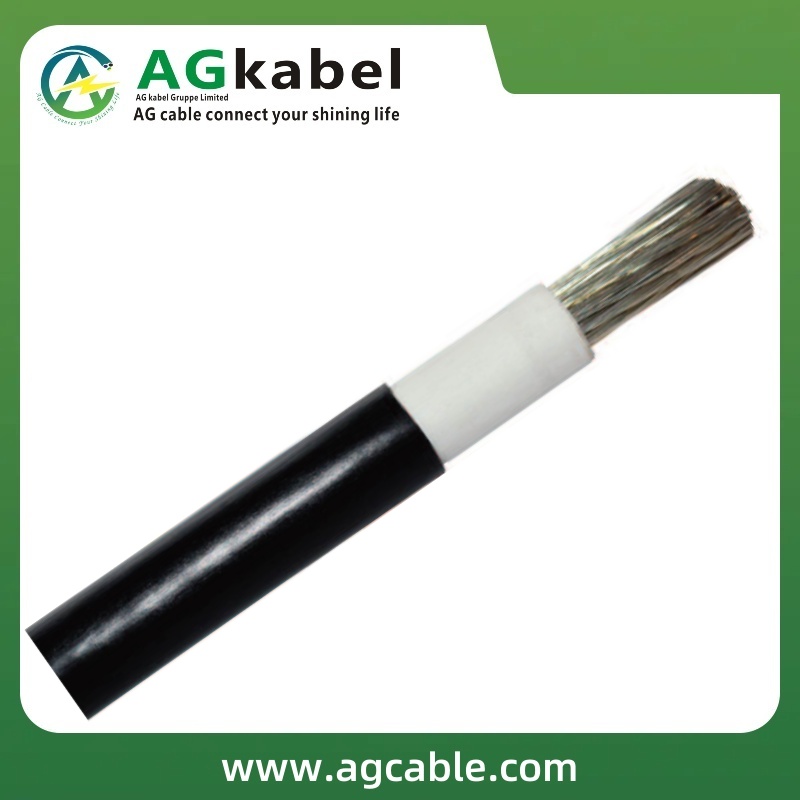
AGKABEL FLYOY / FLYKOY Single-Core Battery Cables – Heavy-Duty, Low-Temperature Flexible (ISO 6722)
AGKABEL FLYOY and FLYKOY Single-Core Battery Cables are premium, heavy-duty power cables built to ISO 6722 standards for demanding automotive and industrial applications. Engineered with fine or super-fine stranded conductors (up to 2200 strands for extreme flexibility), they ensure maximum conductivity and vibration resistance. The cables feature lead-free plasticized PVC insulation and a lightweight foamed PVC outer sheath (density approx. 1 g/cm³). Designed with special low-temperature flexibility, they operate reliably from -40°C to +105°C. Available in sizes from 4 mm² up to 70 mm², these cables provide the ultimate combination of high-current capacity, weight reduction, and extreme environmental durability.
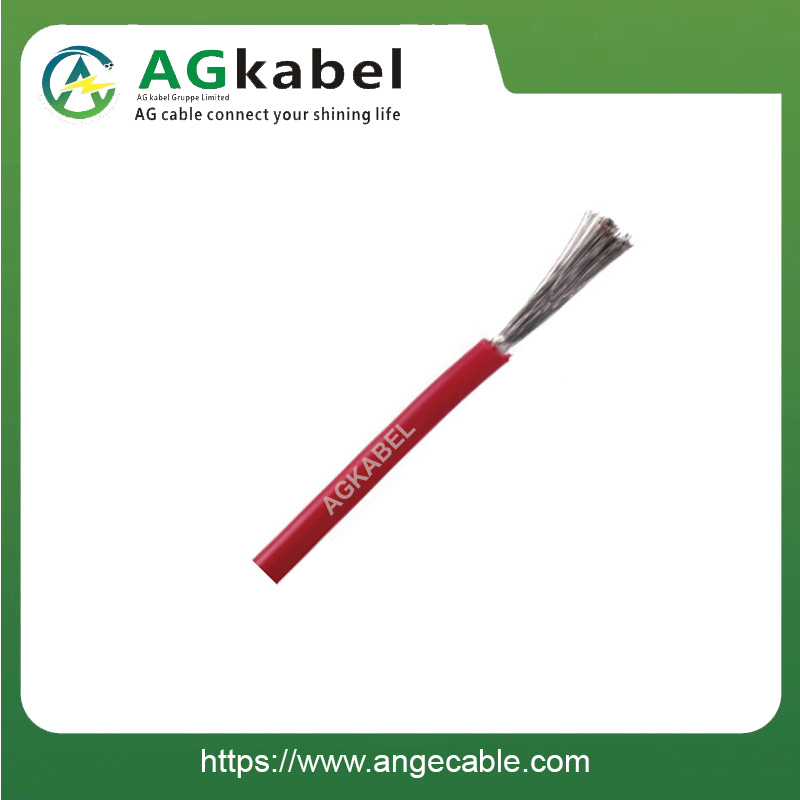
AVS Single-Core PVC Automotive Cable – Flexible Japanese Standard Cable (JASO D 611-94)
The AVS single-core PVC automotive cable provides dependable electrical connections in vehicle wiring systems. It features a bare copper conductor and lead-free PVC insulation with excellent mechanical strength, oil resistance and heat resistance. Furthermore, it supports a rated temperature range of -40°C to +85°C for 3,000 hours. Designed according to JASO D 611-94 standards, this automotive cable is available in standard and flexible conductor constructions for compact internal automobile wiring applications.
FLR4Y PA Automotive Cable – Fuel Resistant Polyamide Insulated Cable
The FLR4Y PA automotive cable provides dependable electrical connections in automotive fuel systems. It features a tinned or bare copper concentric conductor and specialized polyamide insulation with outstanding fuel resistance. Furthermore, it operates within a rated temperature range of -40°C to +125°C. Available in FLR4Y-A and FLR4Y-B variants, this automotive cable is especially suitable for fuel gauge wiring applications.
Reviews
There are no reviews yet.