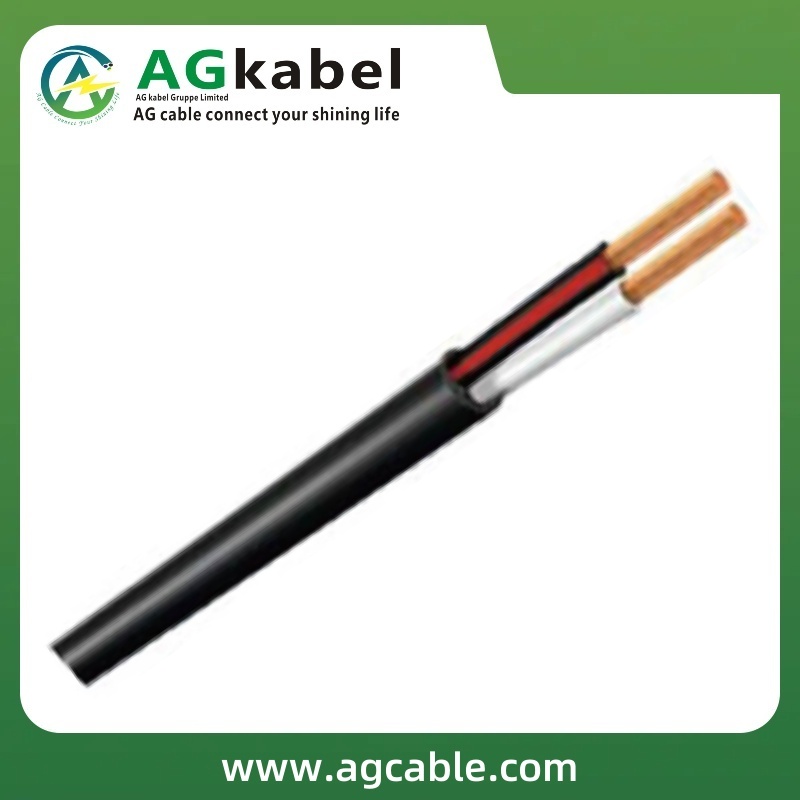
AGKABEL GRUPPE LIMITED presents the FLRY11Y Sensor Cables, specifically engineered for the automotive industry’s stringent demands, particularly for ABS (Anti-lock Braking System) and ESP (Electronic Stability Program) sensor connections. These multi-core cables are designed with a reduced wall thickness for the PVC insulation, allowing for a more compact overall diameter and significant weight savings—an essential factor in modern automotive wiring harness design.
Built to the EN 13602 standard, the cables feature soft-annealed electrolytic copper conductors (available bare or tinned) for outstanding signal integrity and flexibility. The core insulation is made of high-quality PVC (Polyvinyl chloride), offering a cost-effective balance of electrical insulation and mechanical protection. To withstand the harsh undercarriage environment, the outer sheath utilizes a TPE-U (Polyether polyurethane) compound. This material provides exceptional resistance to hydrolysis (water degradation), oils, chemicals, and severe abrasion. Rated for continuous operation from -40°C to +105°C, these cables ensure reliable performance in extreme weather and road conditions.
Technical Data
-
Standard: EN 13602
-
Conductor: Soft-annealed electrolytic copper (bare or tinned)
-
Insulation: PVC (Polyvinyl chloride) – Reduced wall thickness
-
Sheath: TPE-U (Polyether polyurethane with especially high resistance to hydrolysis)
-
Rated Temperature: -40°C to +105°C (3000 hrs)
-
Sheath Marking: Manufacture name (trademark) and type, Production year/week or batch number, Metre-marked
-
Special Properties: ABS/ESP cable with PVC insulation reduced wall thickness.
Technical Specifications Table
| Structure (Cores/mm²) | Conductor No. | Conductor Dia. (mm) | Insulation Thick. (mm) | Insulation Dia. (mm) | Sheath Thick. (mm) | Sheath Dia. (mm) | Max. Cond. Resistance at 20°C (Bare Ω/m) | Weight (Kg/km) |
|---|---|---|---|---|---|---|---|---|
| 2 * 0.75 | 42 | 0.16 | 0.40 | 1.90 | 0.80 | 5.2 | 24.7 | 39.0 |
| 3 * 1.0 | 32 | 0.21 | 0.35 | 2.00 | 0.70 | 5.6 | 18.5 | 56.0 |
| 3 * 1.5 | 30 | 0.26 | 0.40 | 2.40 | 0.75 | 6.5 | 13.3 | 75.0 |
(Note: This chart shows an extract of our existing product portfolio. Other versions on request.)
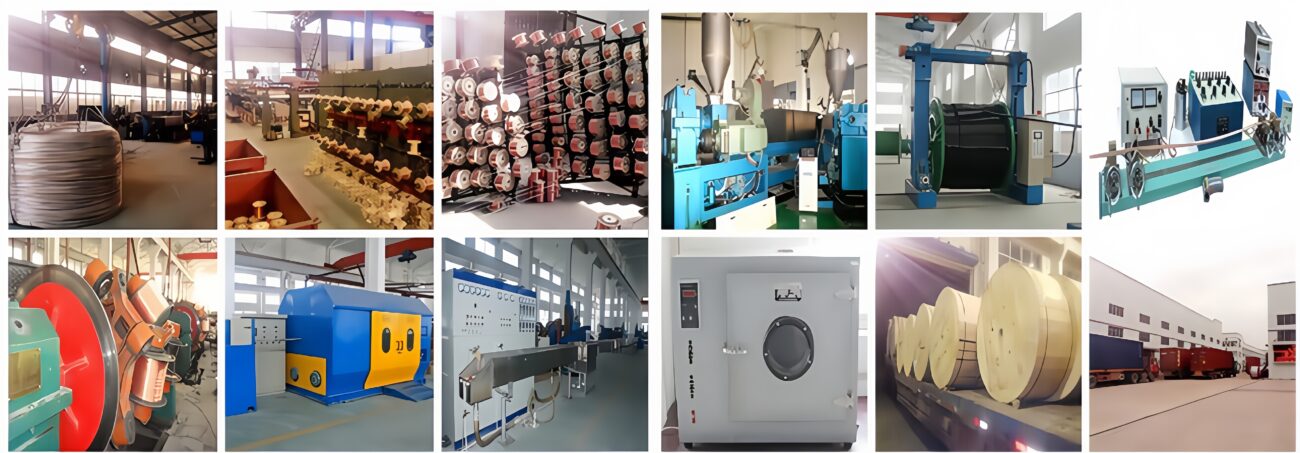
Factory Overview
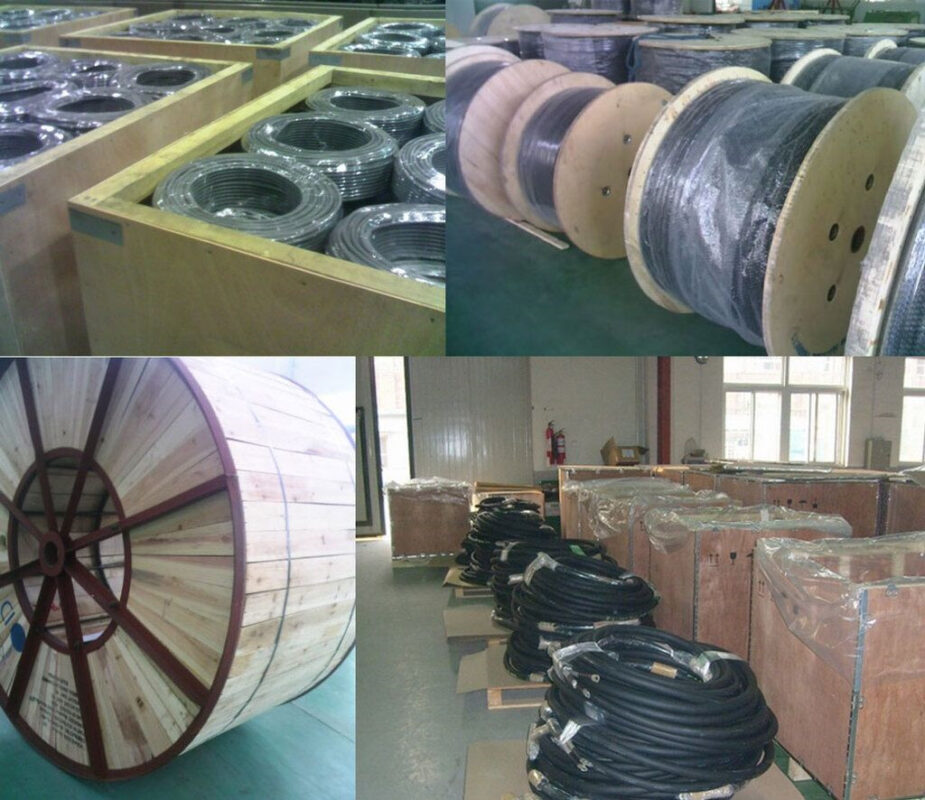
Packaging & Shipping

Frequently Asked Questions (FAQ)
Q1: What is the benefit of the “reduced wall thickness” on the PVC insulation?
A: Reducing the insulation wall thickness allows the overall cable diameter to be more compact. This saves valuable space in automotive wire harnesses and reduces the total weight of the vehicle, which contributes to better fuel efficiency and easier routing in tight chassis spaces.
Q2: Why is a TPE-U sheath used over the PVC insulation?
A: While PVC provides excellent internal insulation, the TPE-U (Polyether polyurethane) outer sheath is applied for superior external protection. It offers exceptionally high resistance to hydrolysis (water damage), abrasion, and mechanical stress, ensuring the cable survives the harsh, wet, and debris-filled environment around a vehicle’s wheels (where ABS/ESP sensors are located).
Q3: What are the primary applications for the FLRY11Y cables?
A: They are primarily used as sensor cables for ABS (Anti-lock Braking System) and ESP (Electronic Stability Program), transmitting critical wheel speed and dynamics data to the vehicle’s central computer.
Q4: What is the operating temperature range?
A: The cables are rated for continuous operation between -40°C and +105°C (tested for 3000 hours), making them suitable for both freezing winters and the heat generated near brakes or in the engine bay.
Q5: Are the conductors bare or tinned?
A: AGKABEL provides both options. Tinned copper is often chosen for enhanced corrosion resistance in areas exposed to moisture and road salt, while bare copper offers maximum conductivity.
Q6: What does the EN 13602 standard mean?
A: EN 13602 specifies the European standard requirements for copper drawing stock, ensuring the base copper used in the conductors is of the highest purity and quality for drawing into fine, flexible strands.
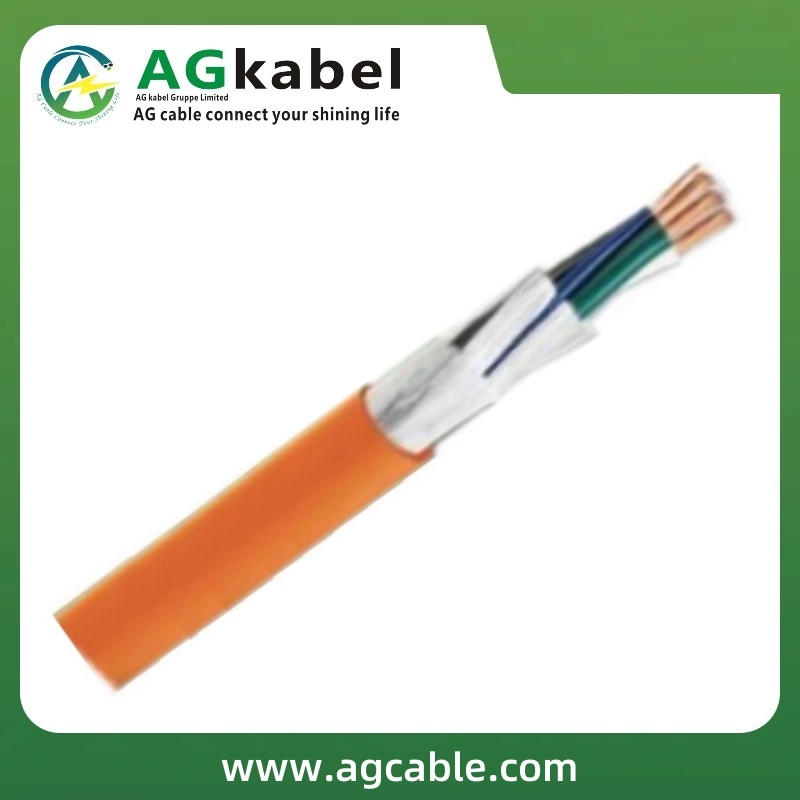
AGKABEL Electrical Vehicle Charging Cable – Type EV, 600V, UL62
High-performance EV charging cables designed for safe and reliable indoor/outdoor use (per NEC Article 400). Features Annealed Stranded Bare Copper conductors, Thermoplastic Elastomer (TPE) insulation and jacket, and excellent resistance to extreme temperatures, chemicals, oil, and abrasion. Temperature range: -50°C to 105°C. Available in 3C+1C configurations with main conductors from 14 AWG to 2 AWG.
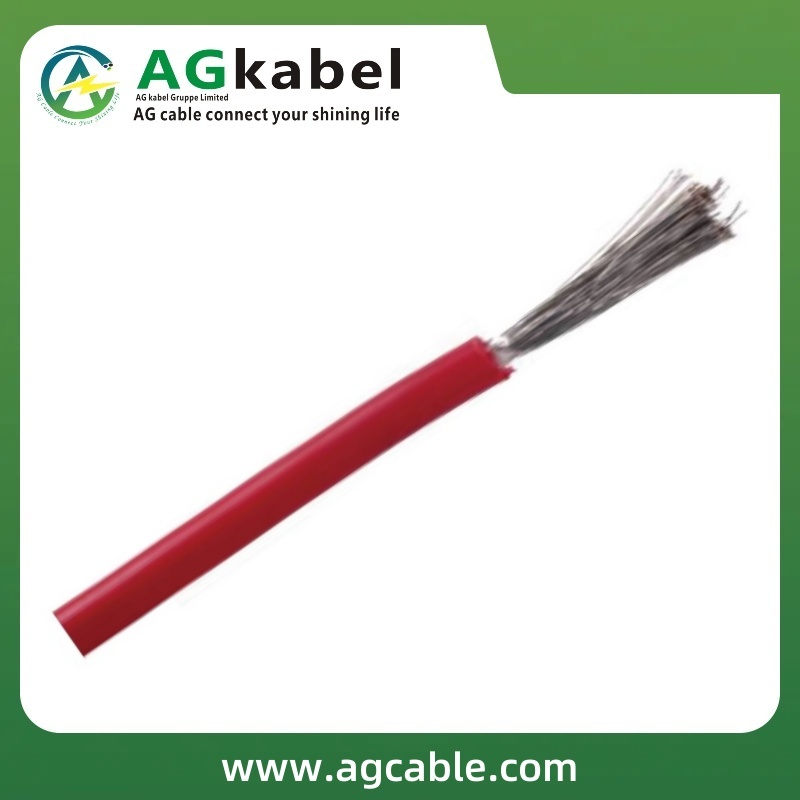
AGKABEL FLYW Cables – PVC Automotive Cable, Hot-Pressure Resistant (Engine Compartment Approved)
AGKABEL FLYW Cables are high-performance PVC automotive cables specifically engineered to withstand the extreme thermal and mechanical stresses found inside vehicle engine compartments. Featuring a hot-pressure resistant insulation tested at 120°C and a wide operating temperature range of -40°C to +125°C, these single-core cables ensure reliable performance in the harshest automotive environments. Manufactured with soft-annealed electrolytic copper for optimal conductivity and built to Bosch standards, they are available in cross-sections ranging from 0.5 mm² to 25 mm², making them the ideal choice for robust automotive wiring harnesses and high-temperature engine applications.
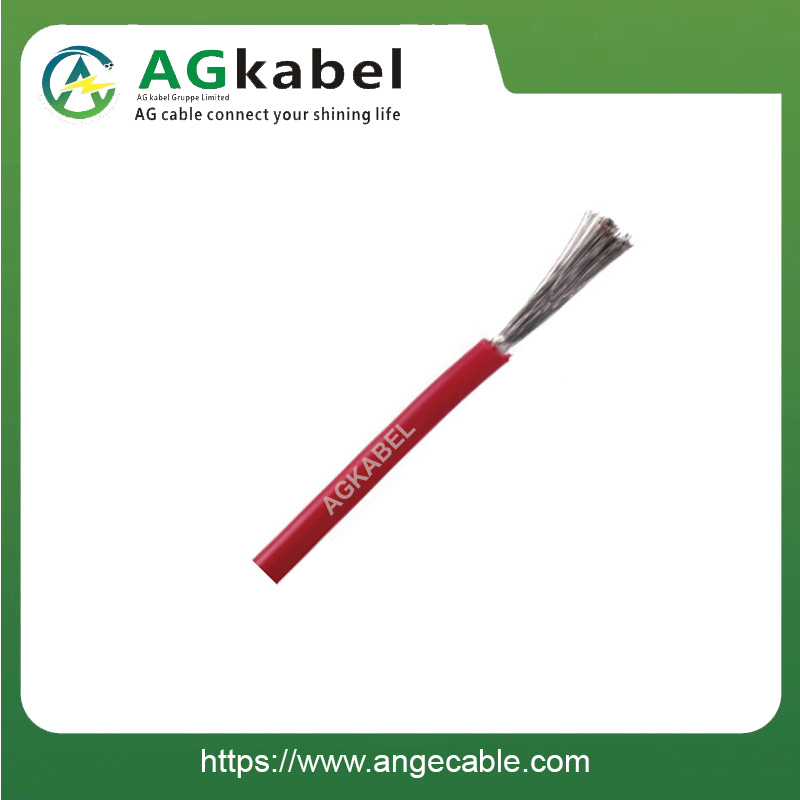
AVS Single-Core PVC Automotive Cable – Flexible Japanese Standard Cable (JASO D 611-94)
The AVS single-core PVC automotive cable provides dependable electrical connections in vehicle wiring systems. It features a bare copper conductor and lead-free PVC insulation with excellent mechanical strength, oil resistance and heat resistance. Furthermore, it supports a rated temperature range of -40°C to +85°C for 3,000 hours. Designed according to JASO D 611-94 standards, this automotive cable is available in standard and flexible conductor constructions for compact internal automobile wiring applications.

FLYWK / FLRYWK PVC Automotive Cable – Heat & Cold Resistant
The FLYWK and FLRYWK cables deliver dependable electrical connections for automotive applications in extreme temperatures. Constructed with soft-annealed electrolytic copper conductors and specialized plasticized PVC insulation, they offer excellent conductivity and thermal stability from -50°C to +105°C. Because they meet Bosch 5 998 342 and ISO 6722 standards, they provide a safe and reliable solution for vehicle wiring systems.
TXL XLPE Automotive Cable – Thin Wall Crosslinked Insulated Cable (SAE J1128)
The TXL XLPE automotive cable delivers reliable electrical connections in vehicle wiring systems. It features a bare copper conductor and thin-wall, flame-retardant crosslinked polyethylene insulation. Furthermore, it operates within a rated temperature range of -40°C to +125°C. Designed according to SAE J1128 standards, this automotive cable provides a suitable solution for compact and high-temperature vehicle wiring applications.
Reviews
There are no reviews yet.