
❓ Frequently Asked Questions (FAQ)
1. What are the primary applications for these conductors?
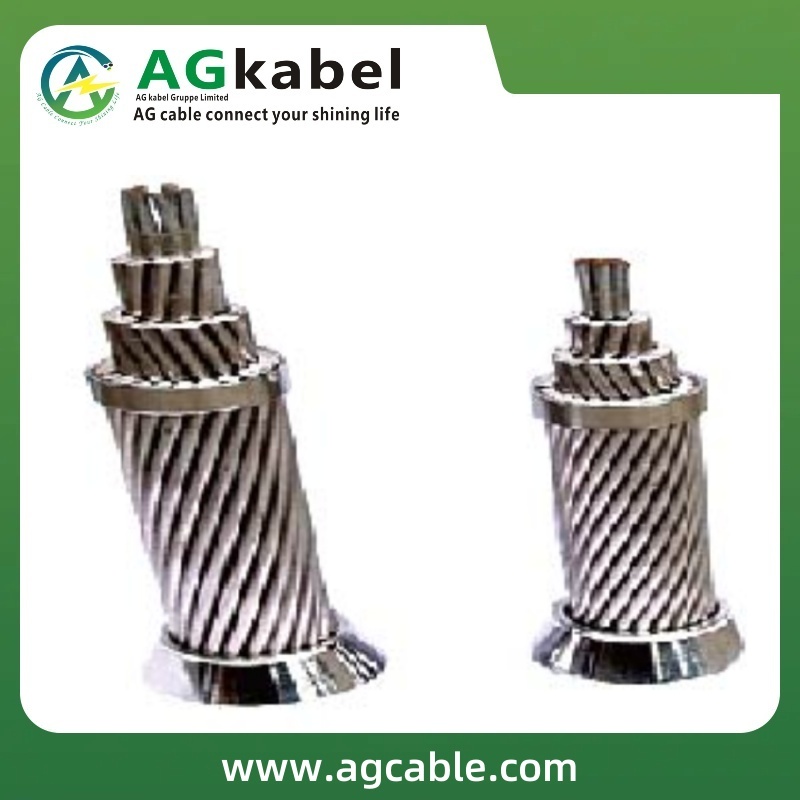
They are designed for aerial power transmission lines, efficiently transmitting electricity over long distances.
2. What is the difference between AAC and ACSR?
-
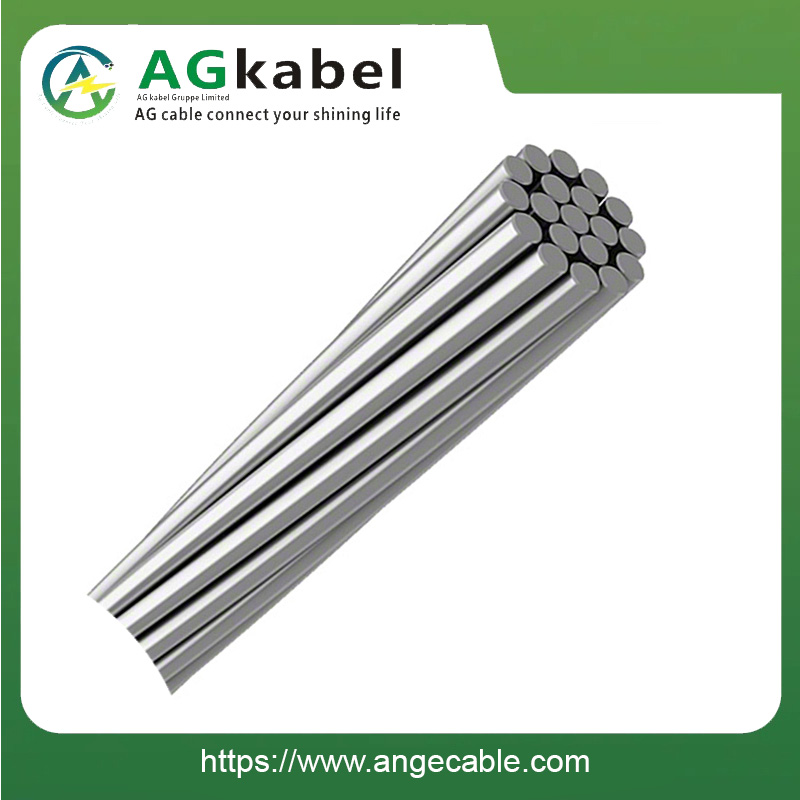
AAC (All Aluminium Conductor): Made entirely of aluminium, offering good conductivity and corrosion resistance but lower tensile strength.
-
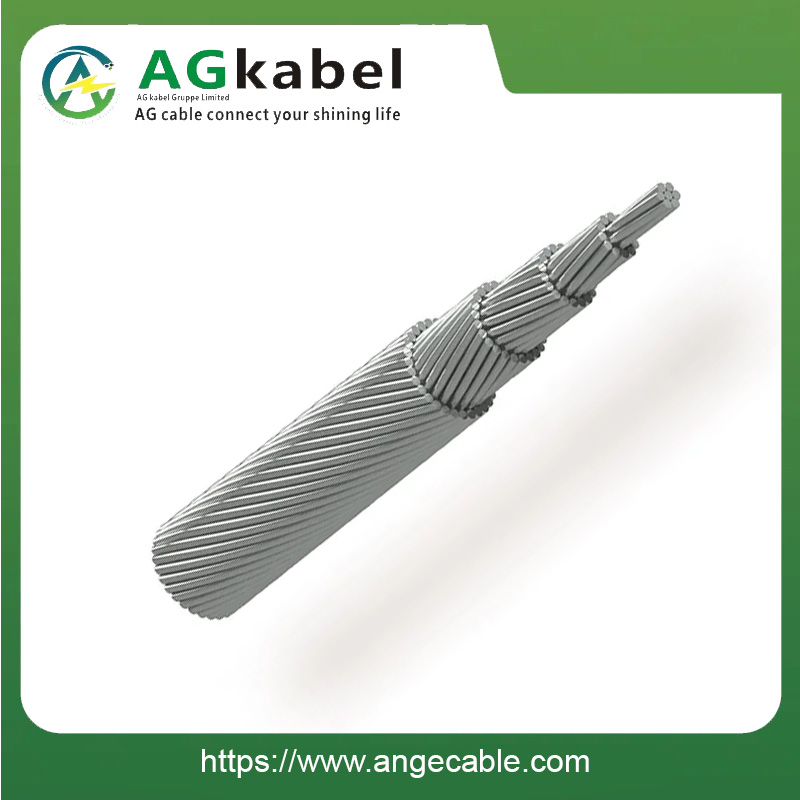
ACSR (Aluminium Conductor Steel Reinforced): Features a steel core surrounded by aluminium strands, providing much higher tensile strength for longer spans and harsher conditions.
3. What are the manufacturing standards?
We manufacture to a wide range of international standards, including ASTM, ICEA, BS, DIN, IEC, GB, and AS/NZS.
4. What is AAAC?
AAAC (All Aluminium Alloy Conductor) is made from aluminium alloy, offering higher strength than pure aluminium (AAC) while maintaining good conductivity, often used as an alternative to ACSR.
5. What is a “Greased Conductor”?
A Greased Conductor (Anti-corrosive stranded conductor) is filled with a corrosion-inhibiting grease to protect the inner strands from moisture and environmental degradation, extending the conductor’s lifespan.
6. What is BCC?
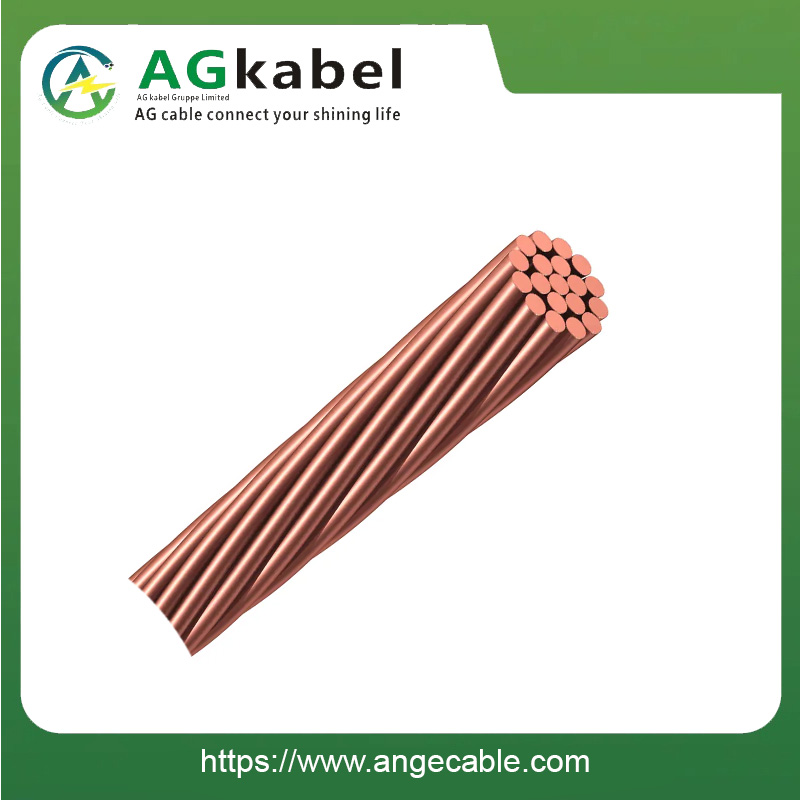
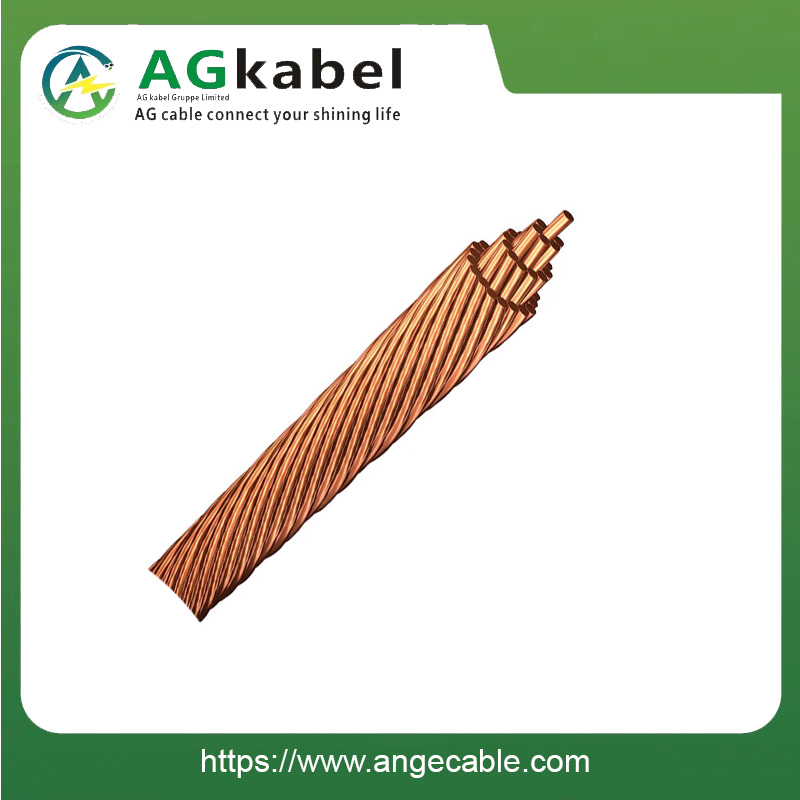
BCC (Bare Copper Conductor) is made of hard-drawn copper strands, offering excellent conductivity and corrosion resistance, often used in specific grounding or distribution applications.
Reviews
There are no reviews yet.