
Application
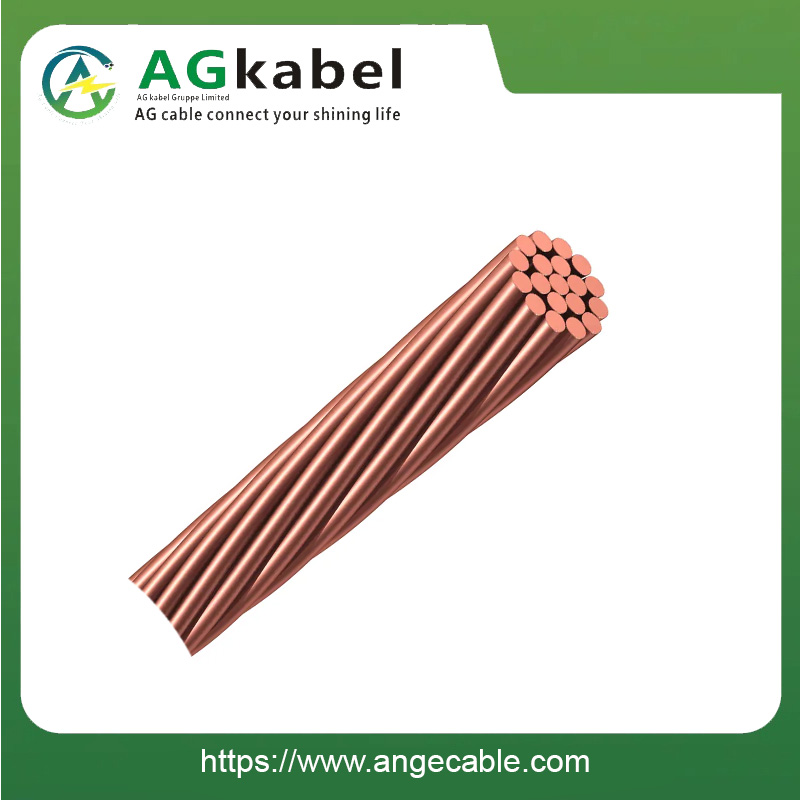
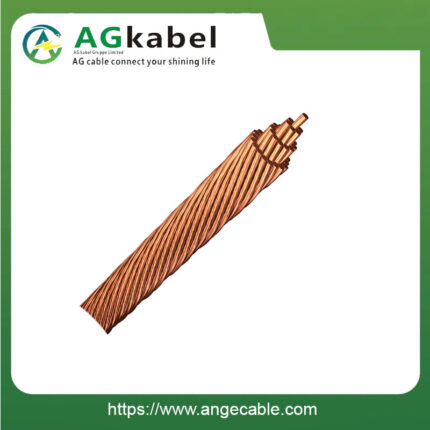
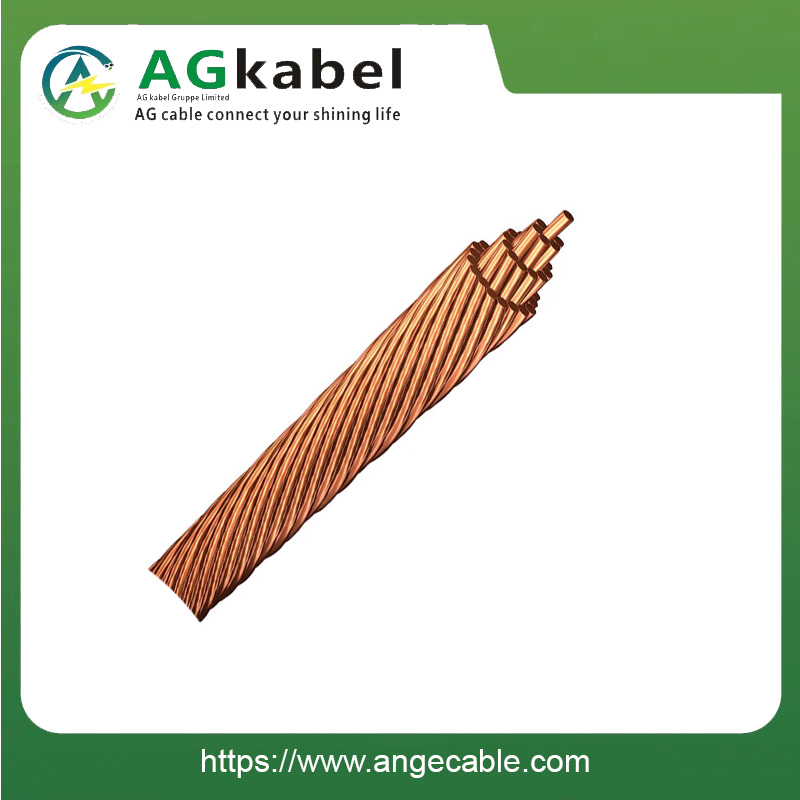
Bare copper conductors provide reliable electrical power transmission for overhead systems. Because they feature high-conductivity copper and are designed for exposed environments, installers use them extensively in overhead electric power transmission networks. Furthermore, their robust construction ensures durability against environmental factors and mechanical stress. Consequently, they deliver consistent and efficient power distribution over long distances.
Cable construction
These conductors strictly adhere to DIN 48201 part 1 standards. They are constructed exclusively from high-conductivity bare copper. The construction features multiple wires stranded together to form the specific nominal cross-section, ranging from 10 mm² up to 500 mm². This specific stranding pattern is designed to optimize breaking load and electrical conductivity for overhead applications.
Technical Data
The conductors deliver consistent performance under specific conditions. The breaking load ranges from 4.02 kN (for 10 mm²) up to 200.38 kN (for 500 mm²). The net weight of copper increases from 90 kg/km to 4545 kg/km as the cross-section increases. The electrical resistance at 20 °C is strictly controlled, ranging from 1.836 Ω/km (for 10 mm²) down to 0.036 Ω/km (for 500 mm²). The construction ensures optimal conductivity, high tensile strength, and minimal power loss for aerial power distribution.
Constructive Data Table
Please refer to the following comprehensive specifications for precise sizing, stranding, weight, and electrical resistance information.
Construction data Cu conductors
| Nominal cross-section | Stranding and wire diameter | Breaking load min | Net weight of copper approx. | Electrical resistance at 20°C, max |
|---|---|---|---|---|
| mm² | N x mm | kN | kg/km | (Ω/km) |
| 10 | 7×1,35 | 4,02 | 90 | 1,836 |
| 16 | 7×1,70 | 6,35 | 143 | 1,199 |
| 25 | 7×2,10 | 9,72 | 218 | 0,746 |
| 35 | 7×2,50 | 13,61 | 306 | 0,527 |
| 50 | 19×1,80 | 19,38 | 437 | 0,376 |
| 70 | 19×2,10 | 26,38 | 596 | 0,276 |
| 95 | 19×2,50 | 37,39 | 845 | 0,195 |
| 120 | 19×2,80 | 46,90 | 1069 | 0,155 |
| 150 | 37×2,25 | 58,58 | 1337 | 0,124 |
| 185 | 37×2,50 | 72,30 | 1669 | 0,100 |
| 240 | 61×2,25 | 97,23 | 2209 | 0,075 |
| 300 | 61×2,50 | 120,02 | 2724 | 0,061 |
| 400 | 61×2,85 | 155,92 | 3584 | 0,047 |
| 500 | 61×3,23 | 200,38 | 4545 | 0,036 |
Factory Overview
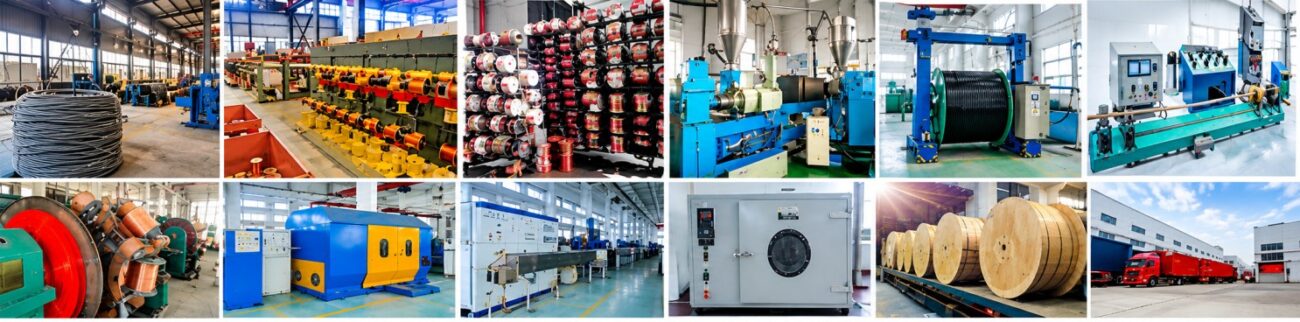
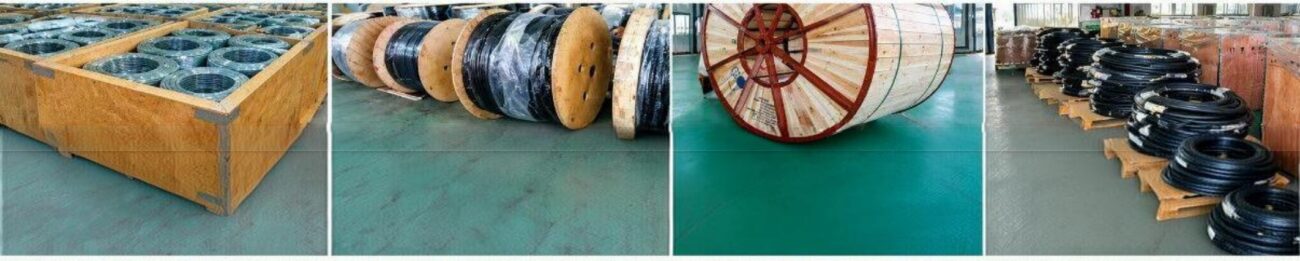
Packaging & Shipping

Frequently asked questions and answer ( Q:- A:- )
Q:- What is the primary application of these bare copper conductors?
A:- They are used for overhead electric power transmission systems, providing efficient and reliable power distribution over long distances.
Q:- What are the key benefits of using bare copper conductors?
A:- They offer high electrical conductivity, excellent tensile strength (breaking load), and durability against environmental factors, making them ideal for exposed overhead installations.
Q:- What standard do these conductors follow?
A:- They strictly adhere to DIN 48201 part 1 standards.
Q:- What material are these conductors made of?
A:- They are constructed exclusively from high-conductivity bare copper.
Q:- What is the smallest cross-section available?
A:- The smallest cross-section available is 10 mm², with a stranding of 7×1.35 and a breaking load of 4.02 kN.
Q:- What is the largest cross-section available?
A:- The largest cross-section available is 500 mm², with a stranding of 61×3.23 and a breaking load of 200.38 kN.
Q:- How is the breaking load specified?
A:- The breaking load is specified in kilonewtons (kN) for each nominal cross-section, ensuring the conductor can withstand mechanical stress in overhead applications.
Q:- How does the electrical resistance change with cross-section size?
A:- As the cross-section increases, the electrical resistance decreases, ranging from 1.836 Ω/km for 10 mm² down to 0.036 Ω/km for 500 mm².
Q:- Is the stranding pattern consistent across all sizes?
A:- No, the number of wires and their diameter increase with the nominal cross-section to optimize breaking load and electrical conductivity.
Q:- What is the net weight range for these conductors?
A:- The net weight ranges from 90 kg/km for the 10 mm² conductor to 4545 kg/km for the 500 mm² conductor.
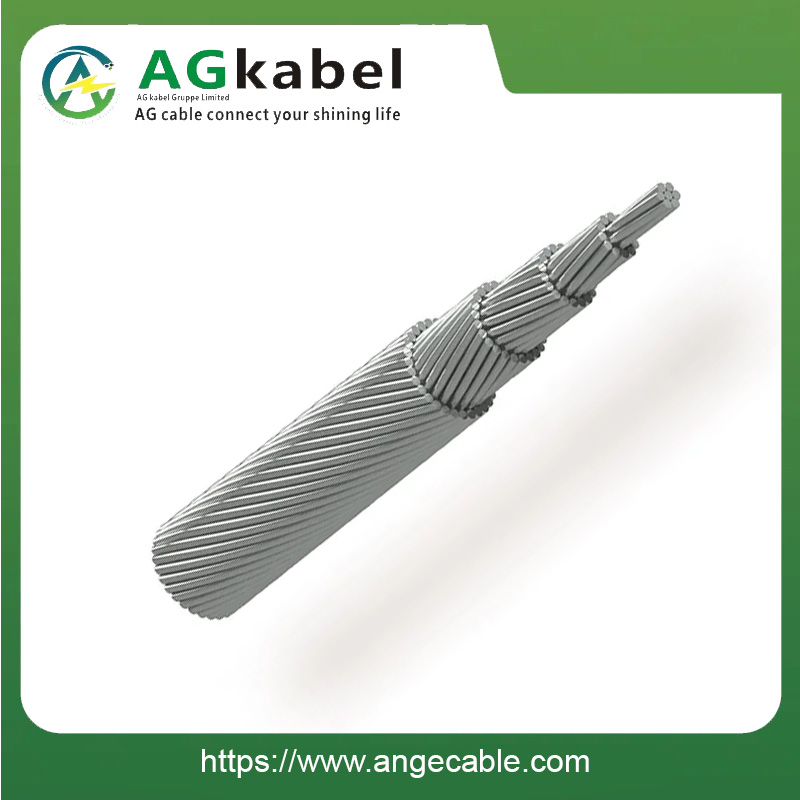
Bare Aluminum & ACSR Stranded Conductors – BDS EN 50182
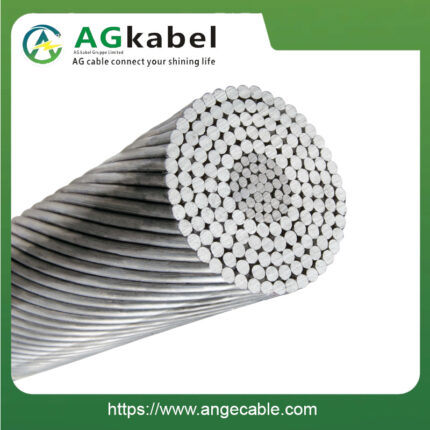
The bare aluminum and aluminum steel reinforced (ACSR) stranded conductors deliver dependable overhead power transmission for exposed environments. Constructed with high-conductivity aluminum, and a galvanized steel core in the ACSR variants, they offer excellent tensile strength and minimal power loss. Because they comply with BDS EN 50182 standards and are available in various cross-sections, they provide a reliable solution for overhead electric power transmission systems.
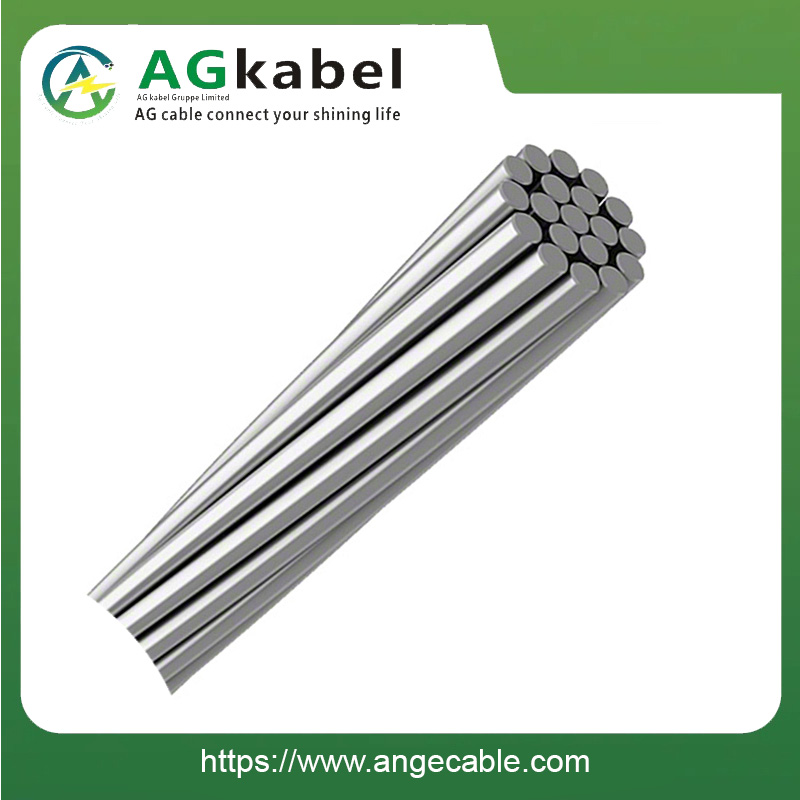
Bare Aluminum Stranded Conductors – VDE 48201 Part 5
The bare aluminum stranded conductors deliver dependable overhead power transmission for electrical networks. Constructed with high-conductivity bare aluminum and multiple stranded wires, they offer excellent tensile strength and minimal power loss. Because they comply with VDE 48201 Part 5 standards and are available in cross-sections from 16 mm² to 500 mm², they provide a reliable solution for overhead electric power transmission systems.
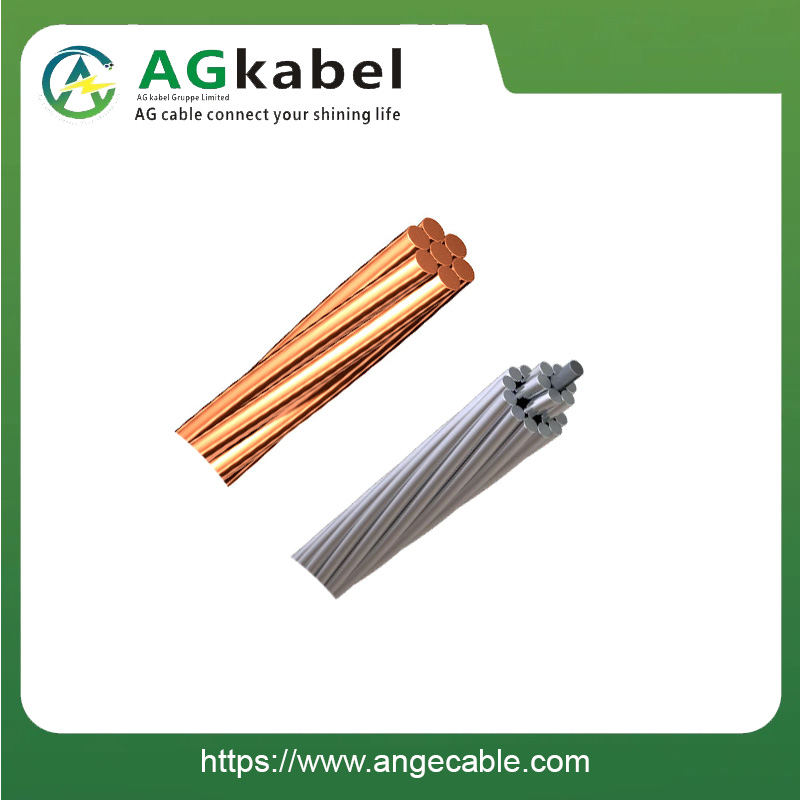
Multiwire Copper & Aluminum Conductors Class 2 – IEC 60228
The multiwire copper and aluminum conductors (Class 2) deliver dependable electrical conductivity for a wide range of cable applications. Constructed with multiple stranded wires to enhance flexibility, they are available in various cross-sections and comply with IEC 60228, DIN VDE 0295, and BS 6360 standards. Because they offer precise resistance values and robust construction, they provide a safe and reliable solution for industrial, commercial, and infrastructure wiring.
Multiwire Extra-Flexible Copper Conductors Class 6 – IEC 60228
The multiwire extra-flexible copper conductors (Class 6) deliver dependable electrical conductivity for highly dynamic cable applications. Constructed with a very high number of fine copper wires stranded together, they offer maximum flexibility and resistance to continuous bending. Because they comply with IEC 60228, DIN VDE 0295, and BS 6360 standards and are available in plain or tinned copper, they provide a reliable solution for robotic cables, portable equipment, and tight-space installations.
Multiwire Flexible Copper Conductors Class 5 – IEC 60228
The multiwire flexible copper conductors (Class 5) deliver dependable electrical conductivity for highly flexible cable applications. Constructed with a high number of fine copper wires stranded together, they offer exceptional flexibility and resistance to repeated bending. Because they comply with IEC 60228, DIN VDE 0295, and BS 6360 standards and are available in plain or tinned copper, they provide a reliable solution for control systems, power cables, and mobile electrical equipment.
Reviews
There are no reviews yet.