Application
Multiwire copper conductors (Class 6) provide the essential conductive elements for extra-flexible cables and wiring. Because they feature the highest degree of stranding, installers use them in applications requiring maximum flexibility, such as tight spaces and continuous movement. Furthermore, these conductors are ideal for manufacturing highly flexible control cables, robotic cables, and wiring for portable electrical equipment. Consequently, they ensure reliable electrical transmission and long-lasting durability in highly dynamic environments.
Cable construction
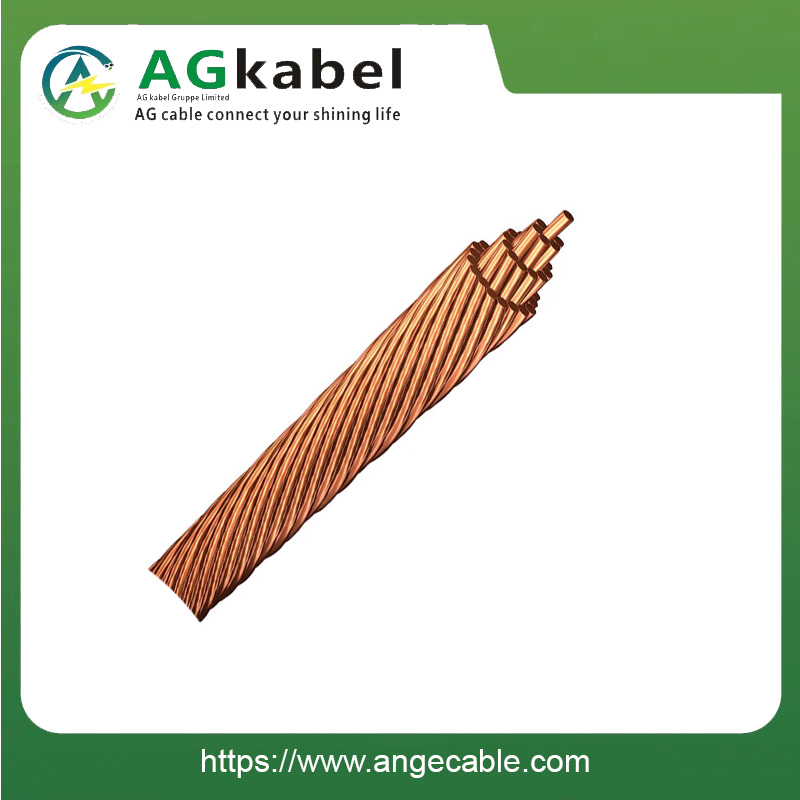
These conductors strictly adhere to IEC 60228, DIN VDE 0295, and BS 6360 standards. They are constructed exclusively from high-conductivity copper. The construction features a very high number of fine wires stranded together to form the specific nominal cross-section. This specific stranding pattern is designed to maximize flexibility while maintaining the required electrical resistance characteristics.
Technical Data
The conductors deliver consistent performance under specific conditions. The electrical resistance at 20 °C is strictly controlled according to the nominal cross-section. For plain copper conductors, the maximum resistance ranges from 39.0 Ω/km (0.50 mm²) down to 0.129 Ω/km (150 mm²). For tinned copper conductors, the maximum resistance ranges from 40.1 Ω/km (0.50 mm²) down to 0.132 Ω/km (150 mm²). The construction ensures optimal conductivity and minimal power loss across all available sizes.
Constructive Data Table
Please refer to the following comprehensive specifications for precise sizing, stranding, and electrical resistance information.
Construction data Cu conductors class 6
| Nominal cross-section | Stranding and wire diameter | Electrical resistance at 20°C, max | |
|---|---|---|---|
| mm² | N x mm | Copper conductors (Ω/km) | Tinned copper conductors (Ω/km) |
| 0,50 | 28/0,15 | 39,0 | 40,1 |
| 0,75 | 42/0,15 | 26,0 | 26,7 |
| 1,00 | 56/0,15 | 19,5 | 20,0 |
| 1,50 | 7×16/0,15 (84/0,15) | 13,3 | 13,7 |
| 2,50 | 7×20/0,15 (140/0,15) | 7,98 | 8,21 |
| 4,00 | 7×28/0,15 | 4,95 | 5,09 |
| 6,00 | 7×38/0,20 | 3,30 | 3,39 |
| 10,0 | 7×44/0,20 | 1,91 | 1,95 |
| 16,0 | 19×26/0,20 | 1,21 | 1,24 |
| 25,0 | 19×34/0,20 | 0,780 | 0,795 |
| 35,0 | 27×40/0,20 | 0,554 | 0,565 |
| 50,0 | 19×36/0,30 | 0,386 | 0,393 |
| 70,0 | 19×43/0,30 | 0,272 | 0,277 |
| 95,0 | 37×34/0,30 | 0,206 | 0,210 |
| 120 | 37×44/0,30 | 0,161 | 0,164 |
| 150 | 37×66/0,30 | 0,129 | 0,132 |
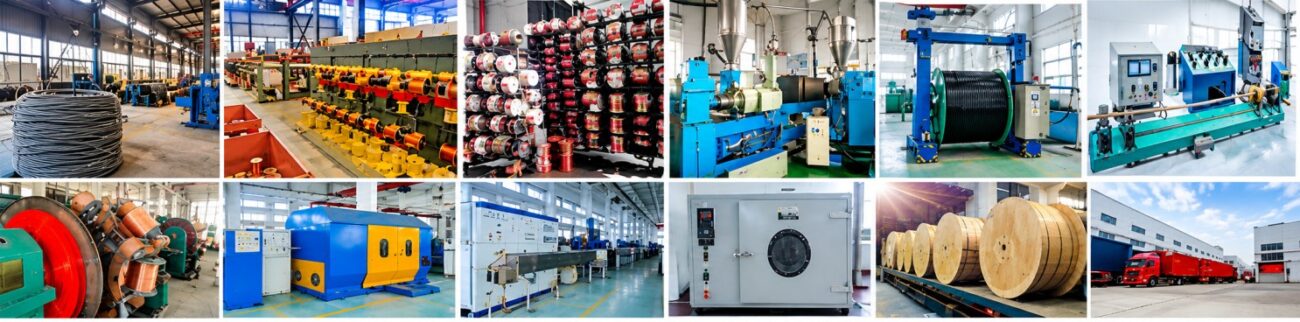
Factory Overview
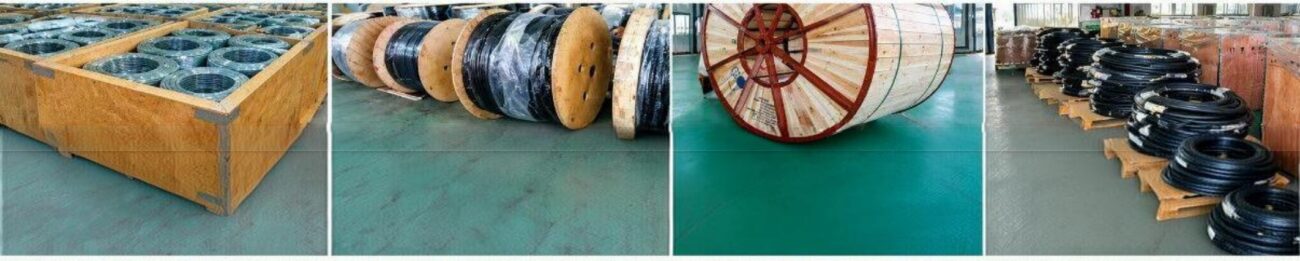
Packaging & Shipping

Frequently asked questions and answer ( Q:- A:- )
Q:- What is the primary application of these multiwire conductors?
A:- They are used as the conductive elements for extra-flexible cables and conductors, ideal for robotic cables, portable equipment, and applications requiring continuous movement.
Q:- What are the key benefits of Class 6 conductors?
A:- Class 6 stranding features the highest number of fine wires, providing maximum flexibility and resistance to continuous bending for highly dynamic applications.
Q:- What standards do these conductors follow?
A:- They strictly adhere to IEC 60228, DIN VDE 0295, and BS 6360 standards.
Q:- What materials are available for these conductors?
A:- They are available in both plain high-conductivity copper and tinned copper (for enhanced corrosion resistance).
Q:- What is the smallest cross-section available?
A:- The smallest cross-section available is 0.50 mm², with a stranding of 28/0.15.
Q:- What is the largest cross-section available?
A:- The largest cross-section available is 150 mm², with a stranding of 37×66/0.30.
Q:- How is the electrical resistance of the conductors specified?
A:- The electrical resistance is strictly specified at a maximum value at 20°C (Ω/km) for each nominal cross-section to ensure predictable performance.
Q:- Why are the resistance values slightly different for plain and tinned copper?
A:- Tinning adds a thin layer of tin over the copper, which slightly increases the overall electrical resistance of the conductor.
Q:- Is the stranding pattern consistent across all sizes?
A:- No, the number of wires and their diameter increase significantly with the nominal cross-section to optimize flexibility and conductivity.
Q:- Are these conductors suitable for highly flexible applications?
A:- Yes, the Class 6 stranding makes them highly suitable for extra-flexible cables used in highly dynamic and moving applications.
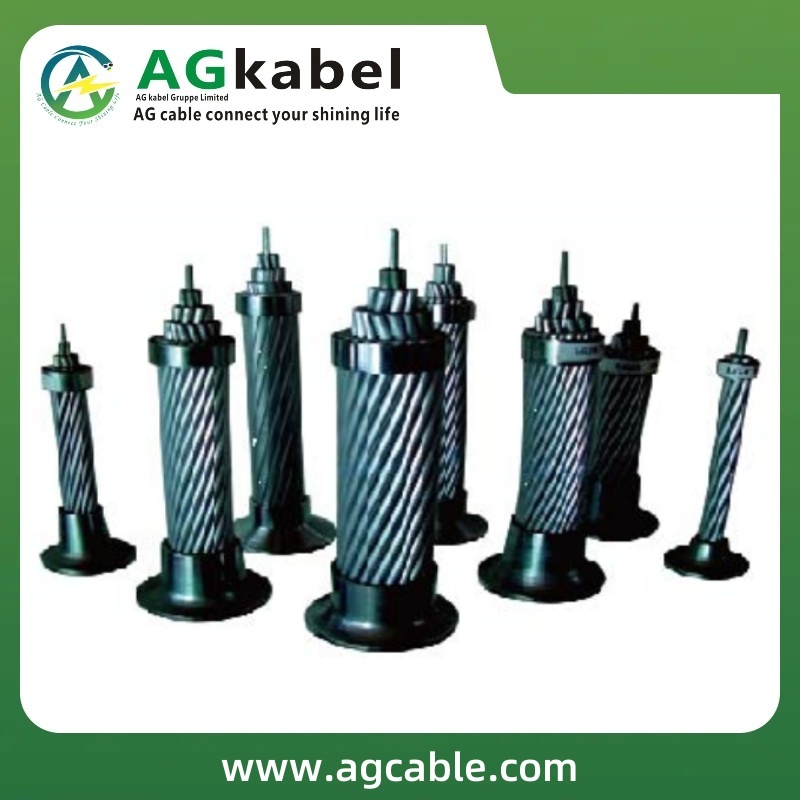
AGKABEL Bare Stranded Conductor AACSR (JLHA1/G1A) – GB Standard
Aluminium Alloy Conductor Steel Reinforced (AACSR) designed specifically for aerial power transmission lines. Manufactured to meet the rigorous GB (Chinese National) Standard, these conductors combine a high-strength aluminium alloy outer layer with a galvanized steel core. This provides superior mechanical strength and excellent electrical conductivity, making it ideal for long-span and high-load transmission applications.
AGKABEL Bare Stranded Conductor ACSR – ASTM Standard
Aluminium Conductor Steel Reinforced (ACSR) designed specifically for aerial power transmission lines. Manufactured to meet rigorous ASTM standards, these conductors combine the high conductivity of aluminium with the exceptional tensile strength of a galvanized steel core. This unique construction provides an optimal strength-to-weight ratio, making it ideal for long spans and harsh environmental conditions.
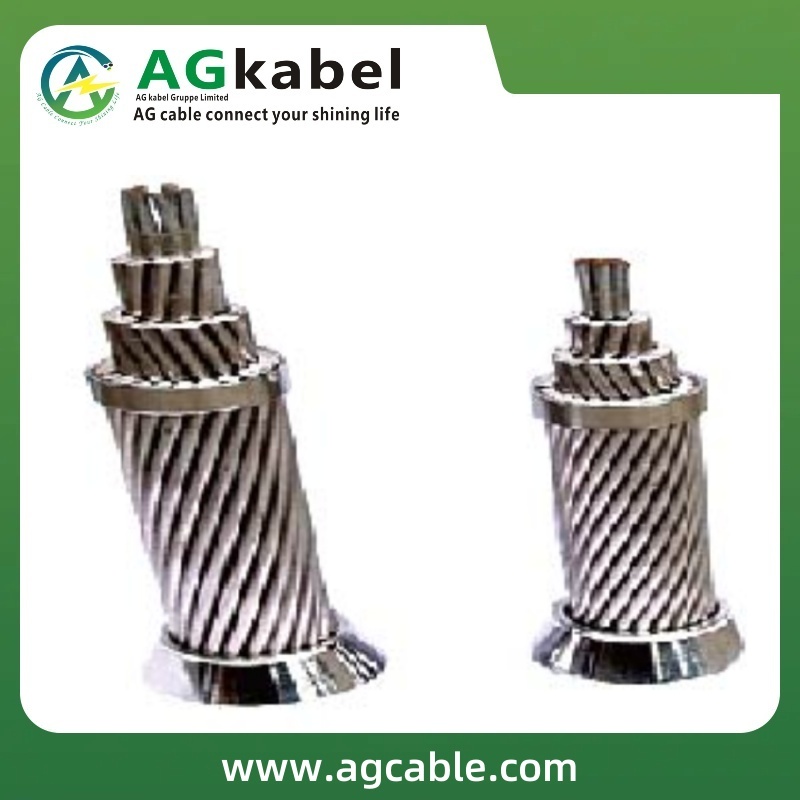
AGKABEL Bare Stranded Conductors – AAC, ACSR, AAAC, ACAR, BCC & More
High-performance bare conductors designed for aerial power transmission lines. Available in a variety of constructions, including All Aluminium Conductor (AAC), Aluminium Conductor Steel Reinforced (ACSR), All Aluminium Alloy Conductor (AAAC), and Bare Copper Conductor (BCC). Manufactured to international standards (ASTM, ICEA, BS, DIN, IEC, GB, AS/NZS) to ensure reliable performance and durability in overhead transmission networks.
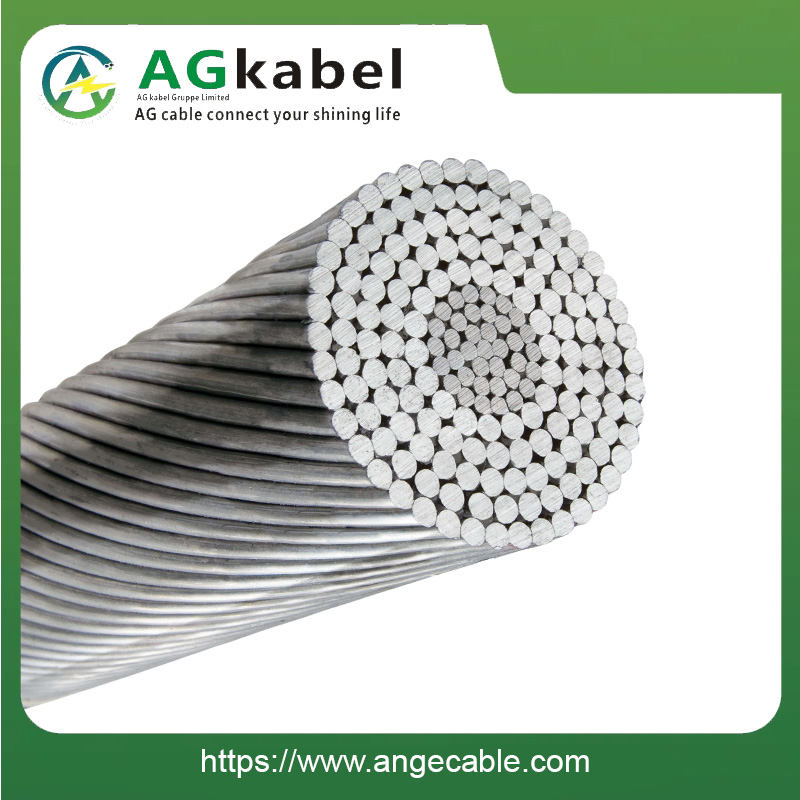
Bare Aluminum & ACSR Conductors for Overhead Lines – BDS 1133-89
The bare aluminum and aluminum conductors steel reinforced (ACSR) deliver dependable overhead power transmission for exposed environments. Constructed with high-conductivity aluminum, and a galvanized steel core in the ACSR variants, they offer excellent tensile strength and minimal power loss. Because they comply with BDS 1133-89 standards and are available in various cross-sections, they provide a reliable solution for overhead electric power transmission systems.
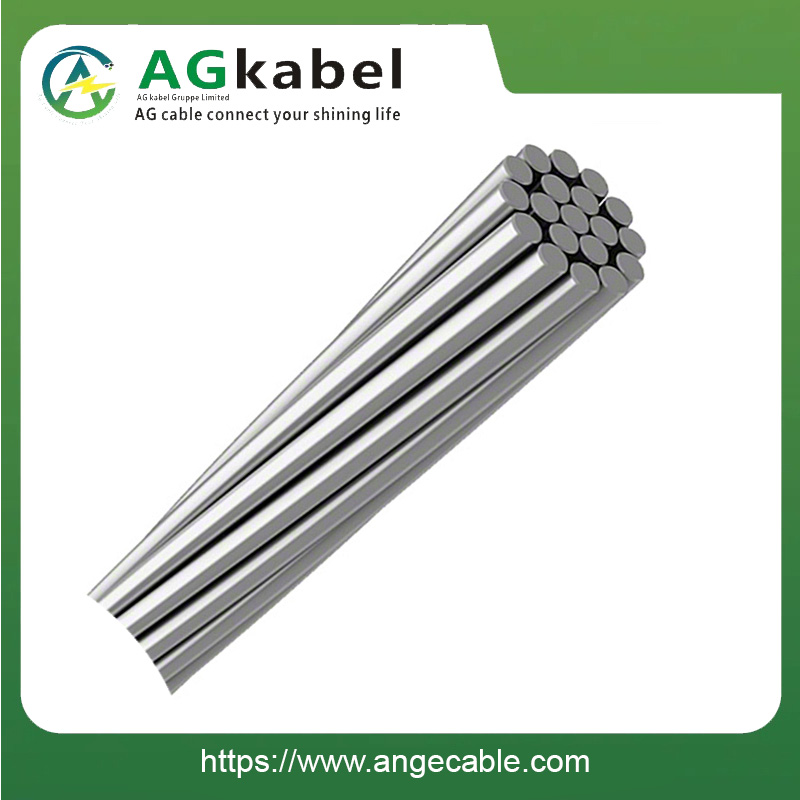
Bare Aluminum Stranded Conductors – VDE 48201 Part 5
The bare aluminum stranded conductors deliver dependable overhead power transmission for electrical networks. Constructed with high-conductivity bare aluminum and multiple stranded wires, they offer excellent tensile strength and minimal power loss. Because they comply with VDE 48201 Part 5 standards and are available in cross-sections from 16 mm² to 500 mm², they provide a reliable solution for overhead electric power transmission systems.
Reviews
There are no reviews yet.