

❓ Frequently Asked Questions (FAQ)
1. What is an AACSR conductor?
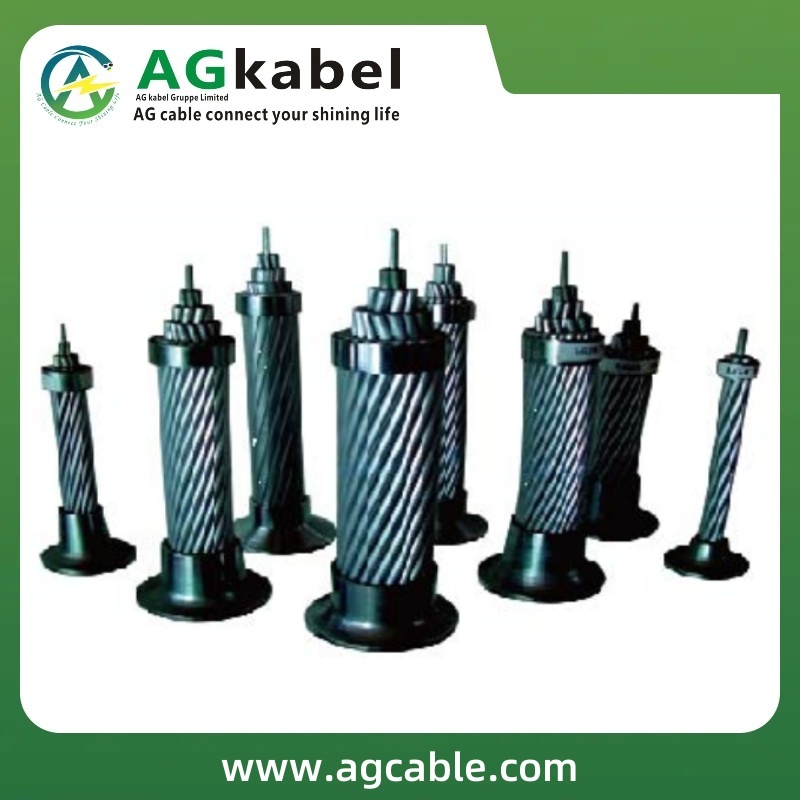
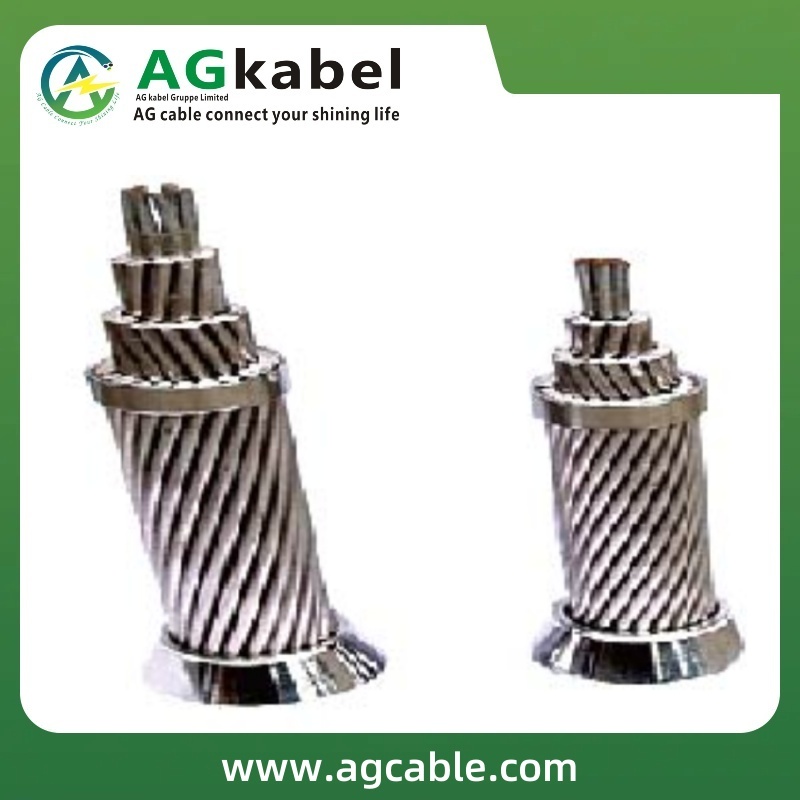
AACSR stands for Aluminium Alloy Conductor Steel Reinforced. It is a type of bare stranded conductor that uses an aluminium alloy for the outer strands and a galvanized steel core for reinforcement.
2. What is the difference between ACSR and AACSR?
While both have a steel core, standard ACSR uses pure (EC grade) aluminium for the outer strands, whereas AACSR uses an aluminium alloy. The alloy provides higher mechanical strength and better resistance to creep, allowing for longer spans and reduced sag compared to standard ACSR.
3. What does the designation “JLHA1/G1A” mean?
This is the specific designation under the GB (Chinese National) Standard:
-
JLHA1 refers to the specific grade of Aluminium Alloy used.
-
G1A refers to the specific grade of Galvanized Steel used for the core.
4. What is the unit “daN” in the Breaking Load column?
daN stands for decaNewton (10 Newtons). It is a metric unit of force commonly used in engineering standards (like GB and DIN) to express the breaking load or tensile strength of a conductor. (Note: 1 daN ≈ 1.0197 kgf).
5. What do the code names (e.g., 10/2, 50/8) represent?
The code names typically represent the nominal cross-sectional area of the conductor. For example, 50/8 indicates a conductor with approximately 50 mm² of aluminium alloy area and 8 mm² of steel area.
6. What are the primary applications for this conductor?
It is designed for aerial power transmission lines, particularly in high-load or long-span environments where higher tensile strength and reduced sag are critical.
Reviews
There are no reviews yet.