Application
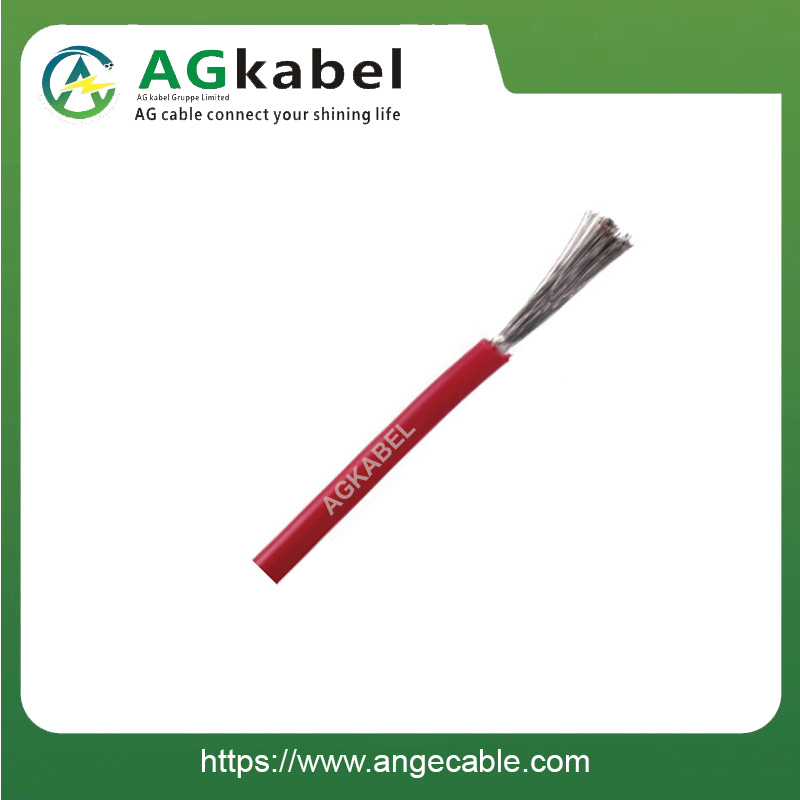
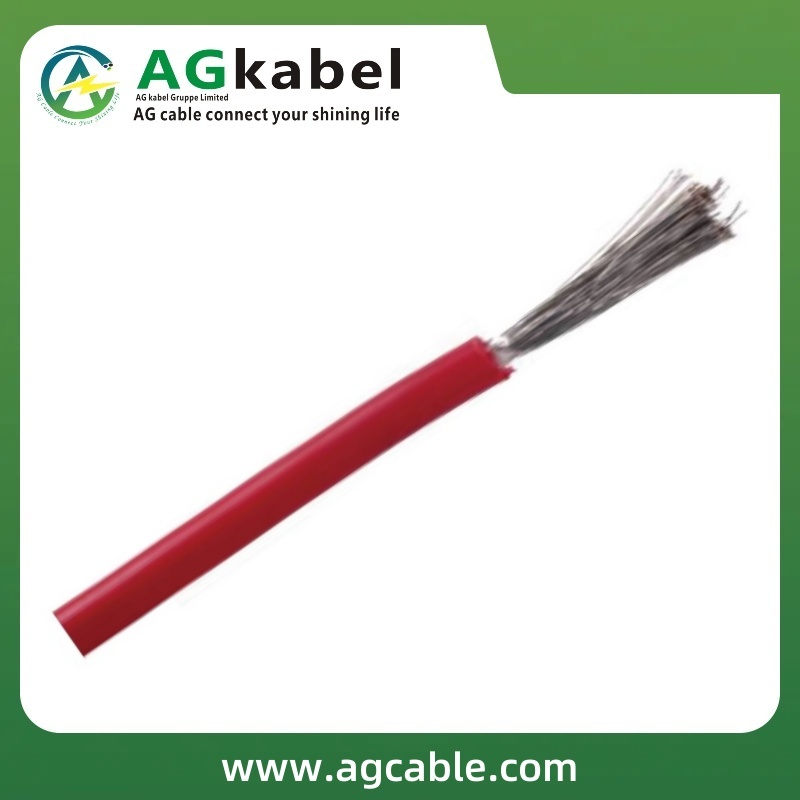
AV single-core PVC automotive cables provide reliable electrical connections in vehicle wiring systems. They are especially suitable for internal automobile wiring applications that require high flexibility, thermal resistance and mechanical strength.
Furthermore, their lead-free PVC insulation offers resistance to oil and heat. The bare copper conductor supports efficient electrical conductivity, while the flexible construction makes installation easier in automotive wiring harnesses and confined spaces.
Cable Construction
-
Standard: JIS C3406-1993.
-
Conductor: Bare copper conductor.
-
Insulation: PVC (Polyvinyl Chloride), lead-free.
-
Rated Temperature: -40°C to +85°C (3,000 hours).
-
Sheath Marking: Manufacturer’s name (trademark) and type, production year/week or batch number, and metre markings.
-
Special Properties: High flexibility, oil resistance, heat resistance and excellent mechanical strength.
-
Cable Type: Single-core automotive cable.
-
Available Construction: Standard and flexible fine-stranded conductor.
Technical Data
The AV single-core PVC automotive cable features a rated temperature range of -40°C to +85°C for 3,000 hours. Its specialized PVC insulation provides oil resistance, heat resistance and mechanical strength for automotive wiring applications.
Moreover, the standard conductor cross-sections range from 0.5 mm² to 15.0 mm². The flexible conductor variants range from 0.5 mm² to 3 mm². The insulation thickness ranges from 0.60 mm to 1.10 mm, while the insulation diameter ranges from 2.40 mm to 7.40 mm.
Constructive Data Table
| Cross-section (mm²) | Conductor No. | Conductor Dia. (mm) | Insulation Thick. (mm) | Insulation Dia. (mm) | Max. Cond. Resistance at 20°C Bare (Ω/m) | Weight (kg/km) |
|---|---|---|---|---|---|---|
| 0.5 | 7 | 0.32 | 0.60 | 2.40 | 32.70 | 10.0 |
| 0.85 | 11 | 0.32 | 0.60 | 2.60 | 20.80 | 13.0 |
| 1.25 | 16 | 0.32 | 0.60 | 2.90 | 14.30 | 17.0 |
| 2.0 | 26 | 0.32 | 0.60 | 3.40 | 8.81 | 26.0 |
| 3.0 | 41 | 0.32 | 0.70 | 4.10 | 5.59 | 40.0 |
| 5.0 | 65 | 0.32 | 0.80 | 4.90 | 3.52 | 62.0 |
| 8.0 | 50 | 0.45 | 0.90 | 5.80 | 2.32 | 92.0 |
| 10.0 | 63 | 0.45 | 1.00 | 6.90 | 1.84 | 120.0 |
| 15.0 | 84 | 0.45 | 1.10 | 7.40 | 1.38 | 160.0 |
| 0.5 f | 20 | 0.18 | 0.60 | 2.40 | 36.70 | 9.0 |
| 0.75 f | 30 | 0.18 | 0.60 | 2.60 | 24.40 | 12.0 |
| 1.25 f | 50 | 0.18 | 0.60 | 2.90 | 14.70 | 18.0 |
| 2 f | 37 | 0.26 | 0.60 | 3.40 | 9.50 | 25.0 |
| 3 f | 61 | 0.26 | 0.70 | 4.10 | 5.76 | 40.0 |
Note: The “f” in the nominal cross-section column indicates a flexible conductor with a finer wire diameter.
Technical note: All numerical table values and measurement units remain unchanged from the original datasheet. Unexplained symbols beside the flexible conductor designations have been omitted. However, the conductor resistance unit appears to be Ω/km rather than Ω/m. Please verify this with the manufacturer before publishing.
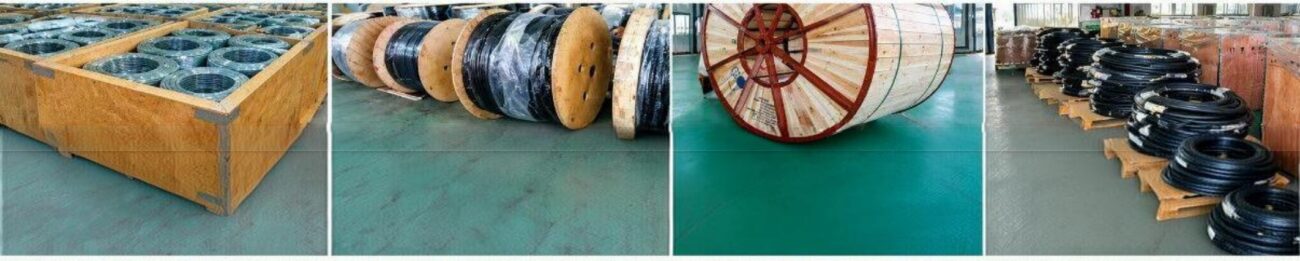
Factory Overview
Packaging & Shipping

Frequently Asked Questions and Answers
Q:- What is the primary application of the AV single-core PVC automotive cable?
A:- It is designed for internal automobile wiring applications that require high flexibility, thermal resistance and mechanical strength.
Q:- What standard does the AV automotive cable follow?
A:- It follows the Japanese Industrial Standard JIS C3406-1993, as specified in the product datasheet.
Q:- What is the rated temperature range of the AV PVC automotive cable?
A:- The rated temperature range is -40°C to +85°C for 3,000 hours.
Q:- What type of conductor does the AV automotive cable use?
A:- It uses a bare copper conductor, available in standard and flexible fine-stranded constructions.
Q:- What type of insulation does the AV automotive cable feature?
A:- It features lead-free PVC (Polyvinyl Chloride) insulation.
Q:- Is the AV PVC automotive cable resistant to oil and heat?
A:- Yes, the cable features oil resistance, heat resistance and excellent mechanical strength.
Q:- What conductor cross-section sizes are available?
A:- The listed standard conductor cross-sections range from 0.5 mm² to 15.0 mm², while flexible variants range from 0.5 mm² to 3 mm².
Q:- What does the letter “f” mean in the cable cross-section designation?
A:- The letter “f” indicates a flexible conductor constructed with a finer wire diameter.
Q:- What is the difference between standard and flexible AV automotive cables?
A:- Flexible AV cables use finer conductor strands to improve flexibility compared with standard conductor constructions.
Q:- What information is included in the sheath marking?
A:- The sheath marking includes the manufacturer’s name or trademark, cable type, production year/week or batch number, and metre markings.
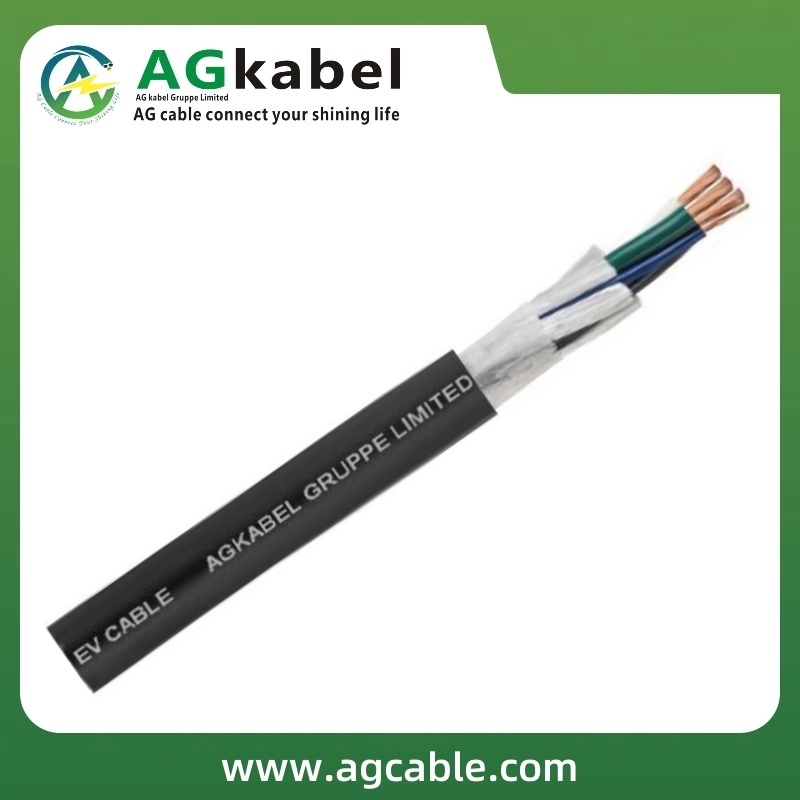
AGKABEL Electrical Vehicle Charging Cables – Type EVT (600V) & EVJT (300V)
AGKABEL Electrical Vehicle Charging Cables (Type EVT & EVJT) are high-performance UL62-certified cables designed for reliable indoor and outdoor EV charging applications (NEC Article 400). Featuring advanced Thermoplastic Elastomer (TPE) insulation and jacketing, they provide exceptional flexibility and resistance to extreme temperatures (-50°C to 105°C), heat aging, chemicals, solvents, oil, and abrasion. Available in 3C+1C configurations, the EVT series (600V) supports main conductor sizes from 14 AWG to 2 AWG for higher power needs, while the EVJT series (300V) is offered in 14 AWG and 12 AWG. Additionally, our related FLY Cables PVC automotive line features conductors with cross-sections > 6 mm² that are also suitable for battery cable applications.
AGKABEL Electrical Vehicle Charging Cables – Type EVT & EVJT (UL62)
AGKABEL Electrical Vehicle Charging Cables – Type EVT (600V) & EVJT (300V)
-
Standards: UL62 certified, NEC Article 400 compliant for indoor/outdoor use.
-
Durability: High-performance Thermoplastic Elastomer (TPE) insulation and jacket for extreme flexibility and abrasion resistance.
-
Temperature Range: Operates in harsh conditions from -50°C to 105°C.
-
Resistance: Excellent resistance to heat aging, chemicals, solvents, oil, and cold.
-
Configurations: 3C+1C construction. EVT available from 14 AWG to 2 AWG (600V); EVJT available in 14 AWG and 12 AWG (300V).
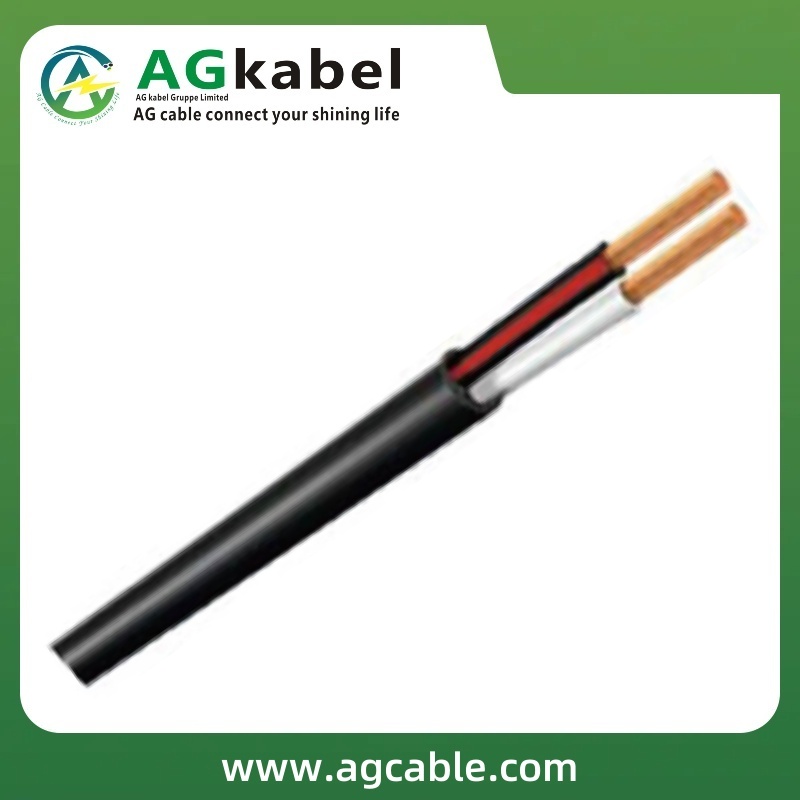
AGKABEL FLR2X11Y Sensor Cables – XLPE Insulated ABS/ESP Automotive Cables
AGKABEL FLR2X11Y Sensor Cables are high-performance, multi-core automotive cables designed specifically for ABS and ESP systems. Meeting ISO 6722 standards, they feature XLPE (cross-linked polyethylene) insulation for superior thermal and electrical stability, paired with a TPE-U (polyurethane) sheath that offers exceptional resistance to hydrolysis and abrasion. Available in 2-core configurations ranging from 0.35 mm² to 0.75 mm², these cables ensure reliable signal transmission in extreme automotive environments, operating flawlessly from -40°C to +125°C.
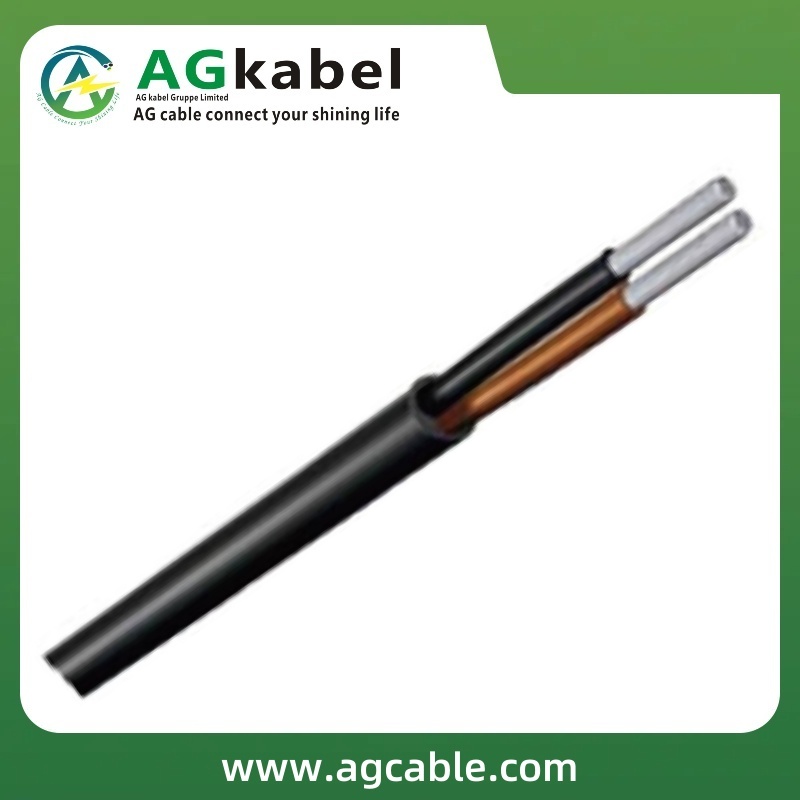
AGKABEL FLR4G11Y / FL4G11Y Multi-Core ABS/ESP Cables – EVA Insulated, TPE-U Sheathed
AGKABEL FLR4G11Y and FL4G11Y Multi-Core Cables are premium automotive sensor cables explicitly designed for critical ABS and ESP systems. Complying with ISO 6722, they feature a specialized construction: EVA insulation for optimal electrical performance and flexibility, and a robust TPE-U (Polyurethane) sheath offering exceptional resistance to hydrolysis, abrasion, and reversed bending fatigue. Operating reliably from -40°C to +125°C (with a 150°C hot-pressure resistant option available), these cables ensure safety and durability in the harshest automotive environments. Available in 3-core and 4-core configurations to support additional functions within a single cable run.
AVS Single-Core PVC Automotive Cable – Flexible Japanese Standard Cable (JASO D 611-94)
The AVS single-core PVC automotive cable provides dependable electrical connections in vehicle wiring systems. It features a bare copper conductor and lead-free PVC insulation with excellent mechanical strength, oil resistance and heat resistance. Furthermore, it supports a rated temperature range of -40°C to +85°C for 3,000 hours. Designed according to JASO D 611-94 standards, this automotive cable is available in standard and flexible conductor constructions for compact internal automobile wiring applications.
Reviews
There are no reviews yet.