
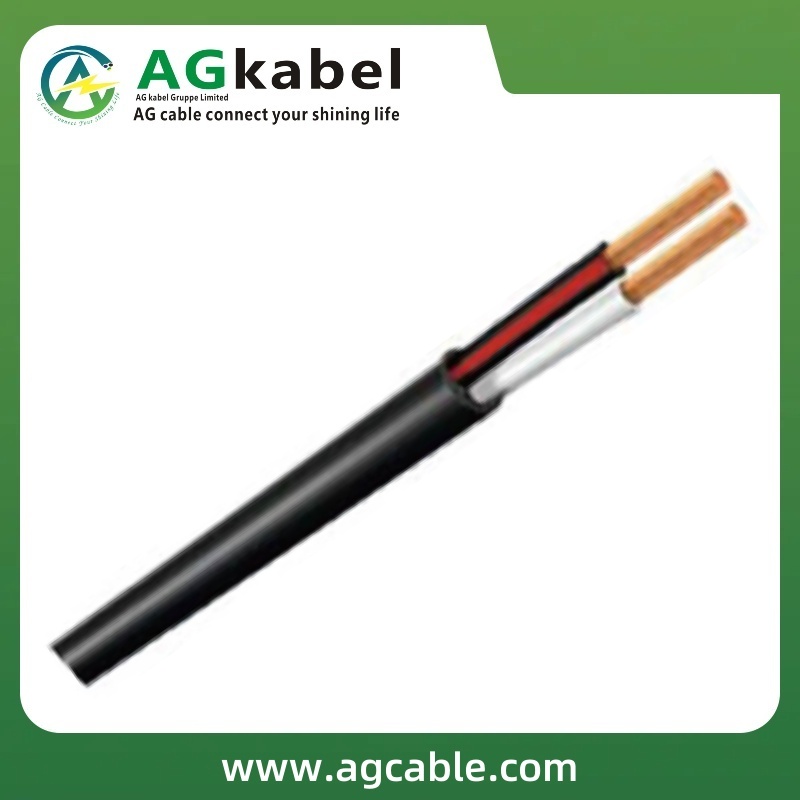
AGKABEL GRUPPE LIMITED presents the FLR2X11Y Sensor Cables, specifically engineered for critical automotive safety systems such as ABS (Anti-lock Braking System) and ESP (Electronic Stability Program). Manufactured to the rigorous ISO 6722 standard, these high-performance multi-core cables are designed to transmit precise, interference-free signals from wheel speed and dynamic sensors to the vehicle’s control unit.
The cable features a Soft-annealed electrolytic copper conductor (available bare or tinned) and is insulated with XLPE (cross-linked polyethylene). XLPE provides superior dielectric strength, thermal stability, and resistance to deformation at high temperatures. The outer jacket utilizes a TPE-U (Polyether polyurethane) compound, offering exceptionally high resistance to hydrolysis, abrasion, and mechanical stress, ensuring the cable remains flexible and durable against road debris and harsh weather. Rated for continuous operation from -40°C to +125°C, these cables guarantee reliable performance in the most extreme automotive environments.
Technical Data
-
Standard: ISO 6722
-
Conductor: Soft-annealed electrolytic copper (bare or tinned)
-
Insulation: XLPE (Polyethylene crosslinked)
-
Sheath: TPE-U (Polyether polyurethane with especially high resistance to hydrolysis)
-
Rated Temperature: -40°C to +125°C (3000 hrs)
-
Sheath Marking: Manufacture name (trademark) and type, Production year/week or batch number, Metre-marked
-
Special Properties: ABS/ESP cable with XLPE insulation.
Technical Specifications Table
| Structure (Cores/mm²) | Conductor No. | Conductor Dia. (mm) | Insulation Thick. (mm) | Insulation Dia. (mm) | Sheath Thick. (mm) | Sheath Dia. (mm) | Max. Cond. Resistance at 20°C (Bare Ω/m) | Weight (Kg/km) |
|---|---|---|---|---|---|---|---|---|
| 2 * 0.35 | 12 | 0.21 | 0.25 | 1.35 | 0.50 | 3.5 | 54.50 | 18.0 |
| 2 * 0.5 | 19 | 0.19 | 0.30 | 1.50 | 0.65 | 4.2 | 40.10 | 25.0 |
| 2 * 0.5 | 28 | 0.16 | 0.30 | 1.50 | 0.65 | 4.2 | 40.10 | 25.0 |
| 2 * 0.5 | 64 | 0.16 | 0.35 | 1.60 | 0.95 | 5.0 | 40.10 | 36.0 |
| 2 * 0.75 | 42 | 0.16 | 0.50 | 2.20 | 0.90 | 6.0 | 27.10 | 46.0 |
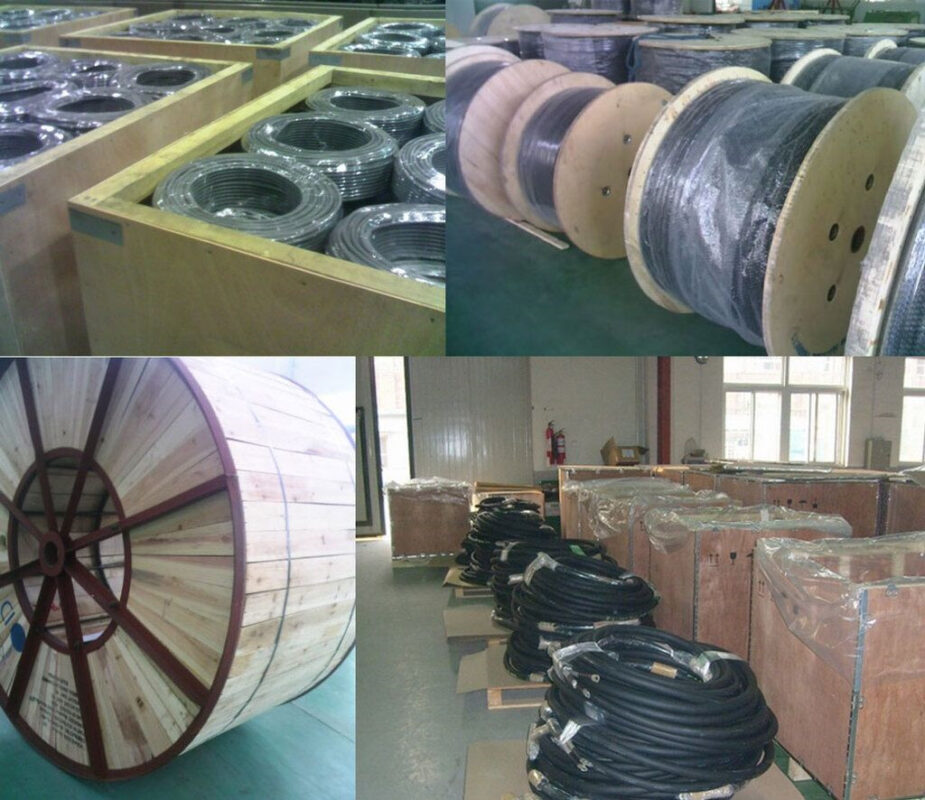
Factory Overview
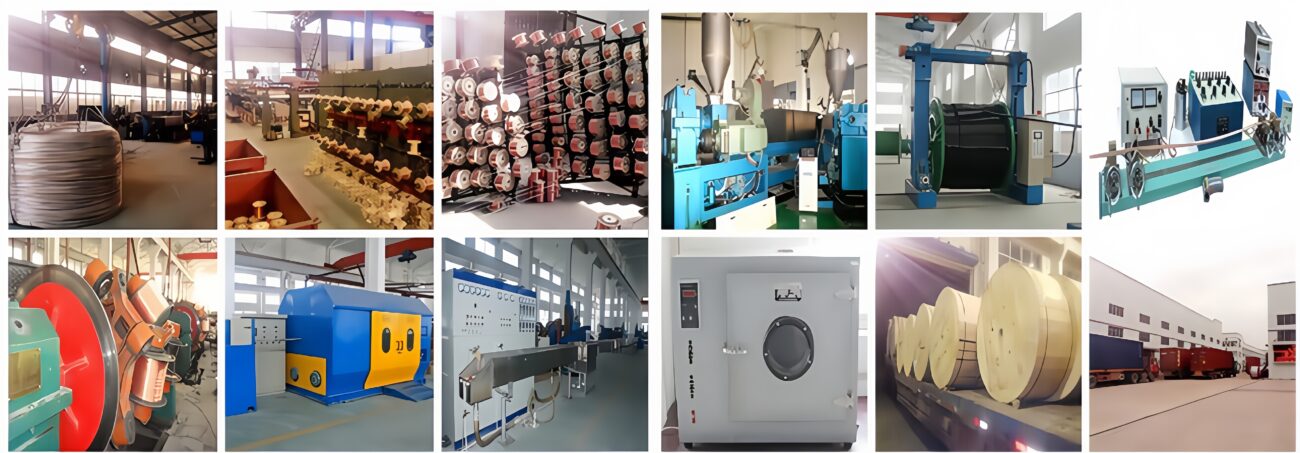
Packaging & Shipping

Frequently Asked Questions (FAQ)
Q1: What is the primary application for FLR2X11Y cables?
A: These cables are specifically designed for ABS and ESP sensor systems in vehicles. They connect sensors at the wheels and chassis to the central computer, requiring high signal integrity and extreme physical durability.
Q2: Why is XLPE used as the insulation material?
A: XLPE (Cross-linked Polyethylene) is chosen for its excellent electrical properties, high thermal resistance, and physical toughness. It prevents the insulation from melting or deforming under high heat or mechanical pressure, ensuring long-term reliability.
Q3: What is the advantage of the TPE-U outer sheath?
A: The TPE-U (Polyether polyurethane) sheath is highly resistant to hydrolysis (water degradation), which is vital for cables exposed to wet and salty road conditions. It also provides outstanding abrasion resistance against gravel and debris.
Q4: What is the operating temperature range?
A: The cable is rated to operate continuously between -40°C and +125°C, making it suitable for both freezing winters and high-temperature areas near the engine or brakes.
Q5: Are the conductors bare or tinned?
A: Both options are available. Tinned copper is often preferred for improved corrosion resistance in harsh environments, while bare copper offers maximum conductivity.
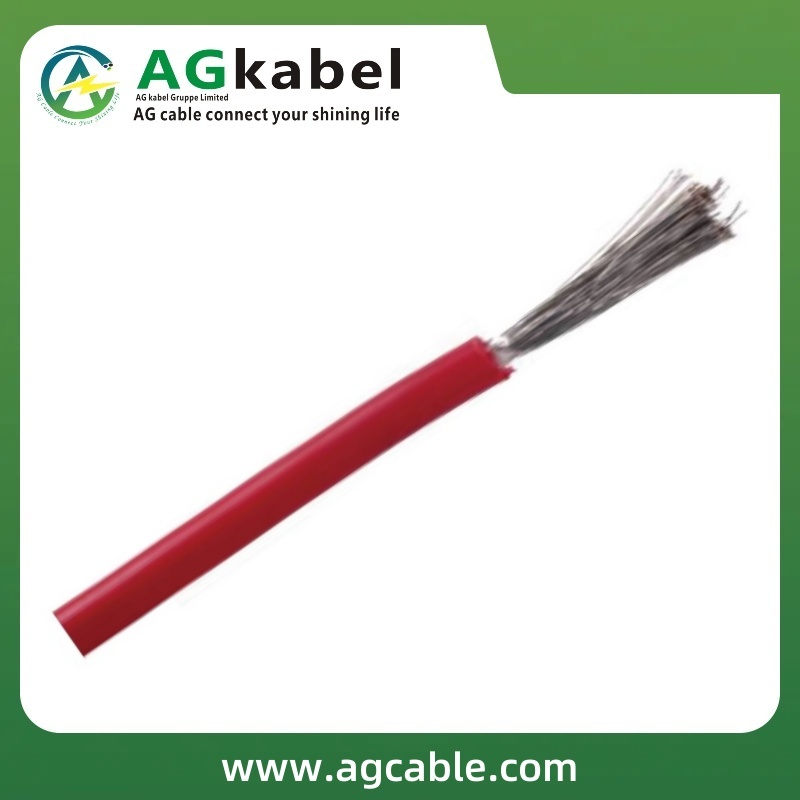
AGKABEL Electrical Vehicle Charging Cables – Type EVT (600V) & EVJT (300V)
AGKABEL Electrical Vehicle Charging Cables (Type EVT & EVJT) are high-performance UL62-certified cables designed for reliable indoor and outdoor EV charging applications (NEC Article 400). Featuring advanced Thermoplastic Elastomer (TPE) insulation and jacketing, they provide exceptional flexibility and resistance to extreme temperatures (-50°C to 105°C), heat aging, chemicals, solvents, oil, and abrasion. Available in 3C+1C configurations, the EVT series (600V) supports main conductor sizes from 14 AWG to 2 AWG for higher power needs, while the EVJT series (300V) is offered in 14 AWG and 12 AWG. Additionally, our related FLY Cables PVC automotive line features conductors with cross-sections > 6 mm² that are also suitable for battery cable applications.
AGKABEL FLYW Cables – PVC Automotive Cable, Hot-Pressure Resistant (Engine Compartment Approved)
AGKABEL FLYW Cables are high-performance PVC automotive cables specifically engineered to withstand the extreme thermal and mechanical stresses found inside vehicle engine compartments. Featuring a hot-pressure resistant insulation tested at 120°C and a wide operating temperature range of -40°C to +125°C, these single-core cables ensure reliable performance in the harshest automotive environments. Manufactured with soft-annealed electrolytic copper for optimal conductivity and built to Bosch standards, they are available in cross-sections ranging from 0.5 mm² to 25 mm², making them the ideal choice for robust automotive wiring harnesses and high-temperature engine applications.
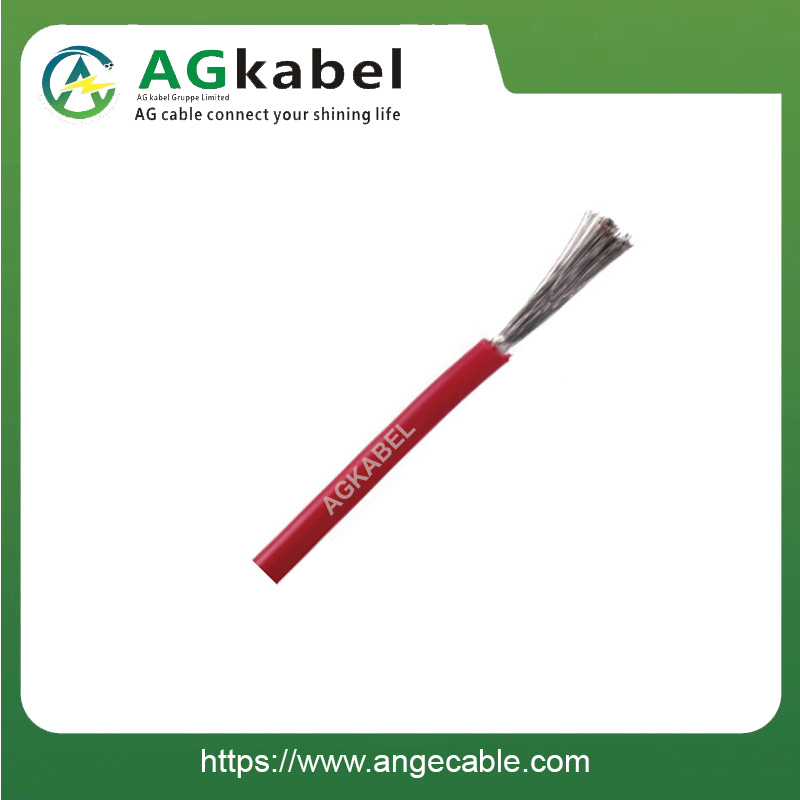
FL91Y / FL11Y Single-Core Battery Cable – TPE Insulated Automotive Cable (ISO 6722)
The FL91Y / FL11Y single-core battery cable provides dependable electrical connections in automotive battery and power distribution systems. It features a bare copper conductor and specialized TPE-O or TPE-U insulation, depending on the cable type. Furthermore, the FL11Y supports temperatures up to +110°C, while the FL91Y supports temperatures up to +125°C for 3,000 hours. Designed according to ISO 6722 standards, these automotive battery cables are available in conductor cross-sections ranging from 6 mm² to 120 mm².
FLRY-B PVC Automotive Cable with Conductor (Type B)
The FLRY-B cable delivers dependable electrical connections for automotive wiring systems. Constructed with a tinned or bare copper conductor and specialized plasticized PVC insulation, it offers excellent conductivity, corrosion resistance, and thermal stability. Because it meets BMW and FIAT standards, it provides a safe and reliable solution for use with insulation displacement connectors in vehicles.
TWP PVC Automotive Cable – Thin-Wall Lead-Free Insulated Cable (SAE J1128)
The TWP PVC automotive cable delivers reliable electrical connections in vehicle wiring systems. It features a bare copper conductor and thin-wall, lead-free PVC insulation. Furthermore, it supports a temperature range of -40°C to +85°C for 3,000 hours and +105°C for 48 hours. Designed according to SAE J1128 standards, this automotive cable provides a suitable solution for compact vehicle wiring and automotive wiring harness applications.
Reviews
There are no reviews yet.