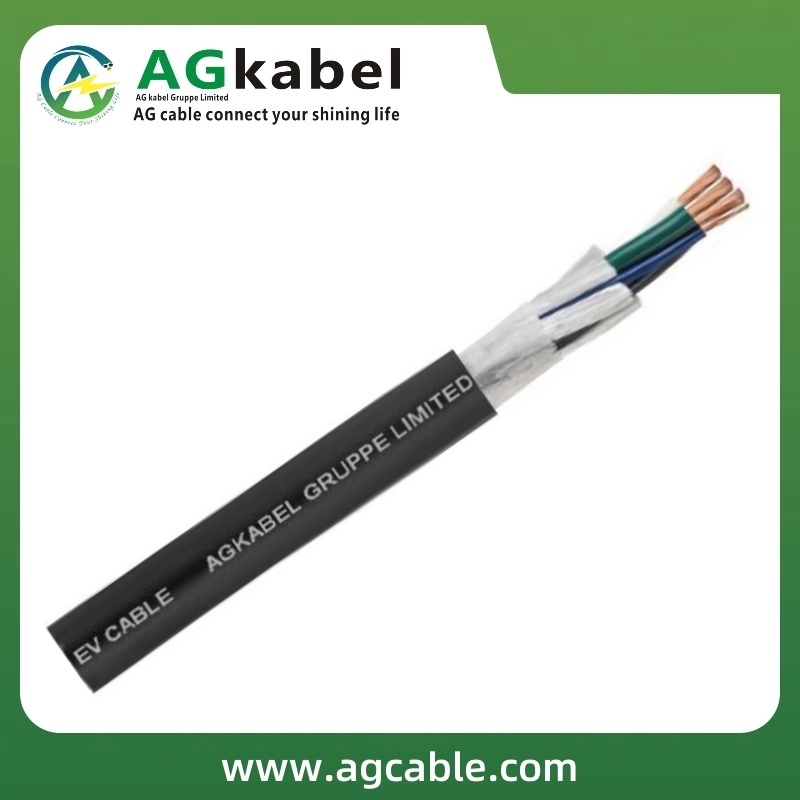

AGKABEL Electrical Vehicle Charging Cables – Type EVT & EVJT (UL62)

AGKABEL Electrical Vehicle Charging Cables – Type EVT (600V) & EVJT (300V)

  • Standards: UL62 certified, NEC Article 400 compliant for indoor/outdoor use.

  • Durability: High-performance Thermoplastic Elastomer (TPE) insulation and jacket for extreme flexibility and abrasion resistance.

  • Temperature Range: Operates in harsh conditions from -50°C to 105°C.

  • Resistance: Excellent resistance to heat aging, chemicals, solvents, oil, and cold.

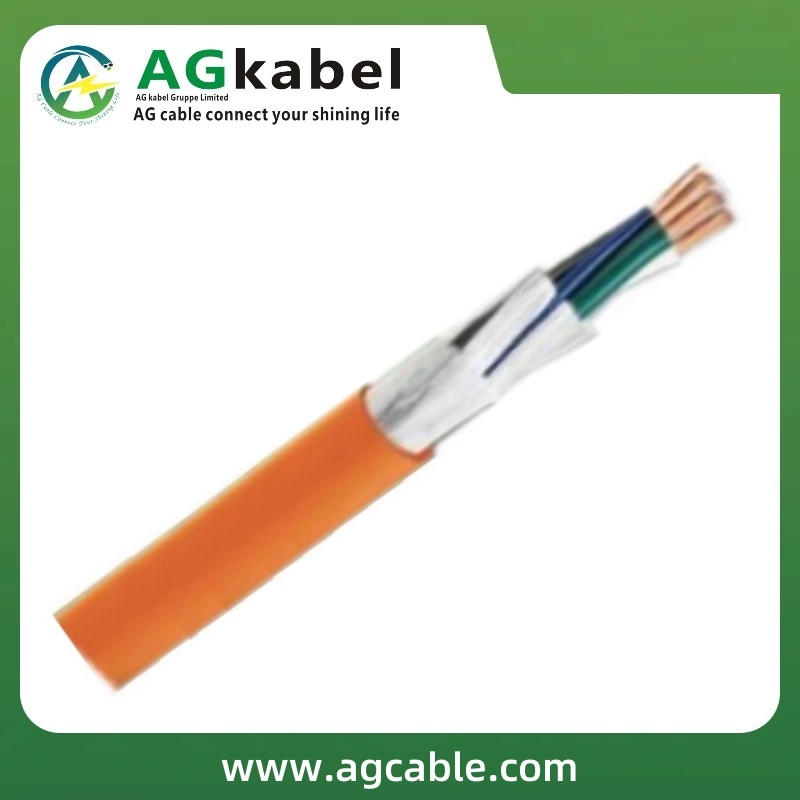
  • Configurations: 3C+1C construction. EVT available from 14 AWG to 2 AWG (600V); EVJT available in 14 AWG and 12 AWG (300V).

Category:

AGKABEL GRUPPE LIMITED presents the Electrical Vehicle Charging Cables, available in Type EVT (600V) and Type EVJT (300V) configurations. Engineered to meet the rigorous demands of modern EV charging infrastructure, these cables are intended for both outdoor and indoor use in accordance with Article 400 of the National Electrical Code (NEC). The use of advanced Thermoplastic Elastomer (TPE) for both insulation and the outer jacket provides outstanding flexibility and durability, ensuring the cable can withstand harsh environments. They offer excellent resistance to heat, cold, heat aging, chemicals, solvents, oil, and physical abrasion.

Technical Data

  • Standard: UL62

  • Conductor: Annealed stranded bare copper per ASTM B-174

  • Insulation: Thermoplastic Elastomer

  • Fillers: Optional

  • Jacket: Thermoplastic Elastomer

  • Temperature Range: -50°C to 105°C

  • Sheath Marking: Manufacture name (trademark) and type, Production year/week or batch number, Metre-marked

  • Application: Intended for outdoor or indoor use in accordance with Article 400 of the National Electrical Code. Provides excellent heat resistance, cold resistance, heat aging, chemical resistance, solvent resistance, oil resistance, and abrasion resistance.

Technical Specifications Table

Type Voltage Conductor (AWG/Core) No. of strands Insulation Thick. (mm) Sheath Thick. (mm) Sheath Dia. (mm) Max. DC Resistance at 20°C (Ohm/km)
EVT 3C+1C 600V 14#/3 41/0.254 1.14 1.52 14.3 8.79
18#/1 41/0.16 0.76 23.00
EVT 3C+1C 600V 12#/3 65/0.254 1.14 2.04 14.95 5.41
18#/1 41/0.16 0.76 23.00
EVT 3C+1C 600V 10#/3 41/0.405 1.14 2.41 15.30 3.64
18#/1 41/0.16 0.76 23.00
EVT 3C+1C 600V 8#/3 65/0.405 1.52 3.17 21.60 2.36
18#/1 41/0.16 0.76 23.00
EVT 3C+1C 600V 6#/3 105/0.405 1.52 3.56 24.20 1.44
18#/1 41/0.16 0.76 23.00
EVT 3C+1C 600V 4#/3 165/0.405 1.52 3.94 27.60 0.91
18#/1 41/0.16 0.76 23.00
EVT 3C+1C 600V 2#/3 257/0.405 1.52 4.32 31.40 0.57
18#/1 41/0.16 0.76 23.00
EVJT 3C+1C 300V 14#/3 41/0.254 0.76 0.76 9.7 8.79
18#/1 41/0.16 0.76 23.00
EVJT 3C+1C 300V 12#/3 65/0.254 0.76 1.14 11.6 5.41
18#/1 41/0.16 0.76 23.00


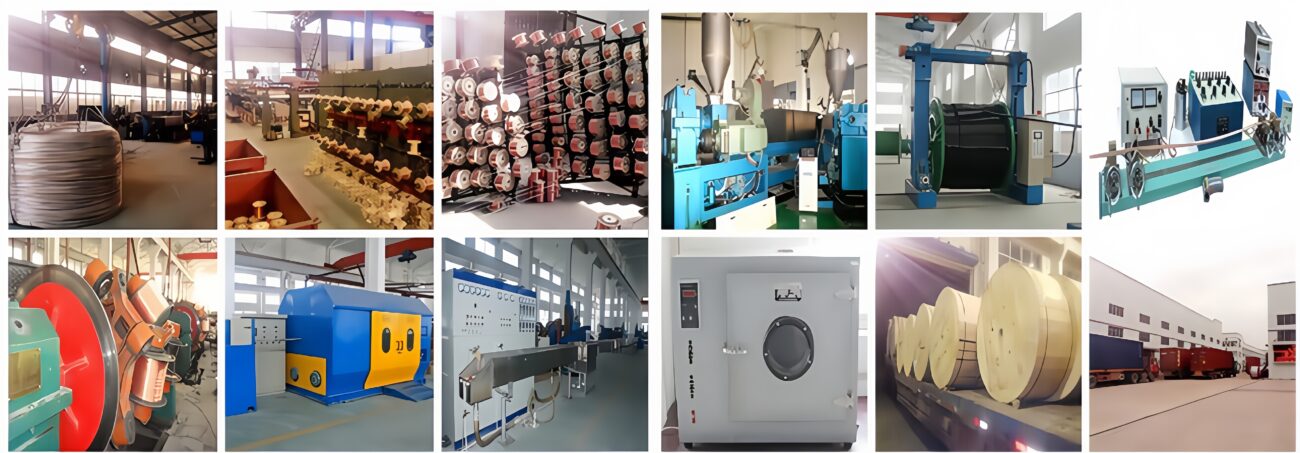
Factory Overview


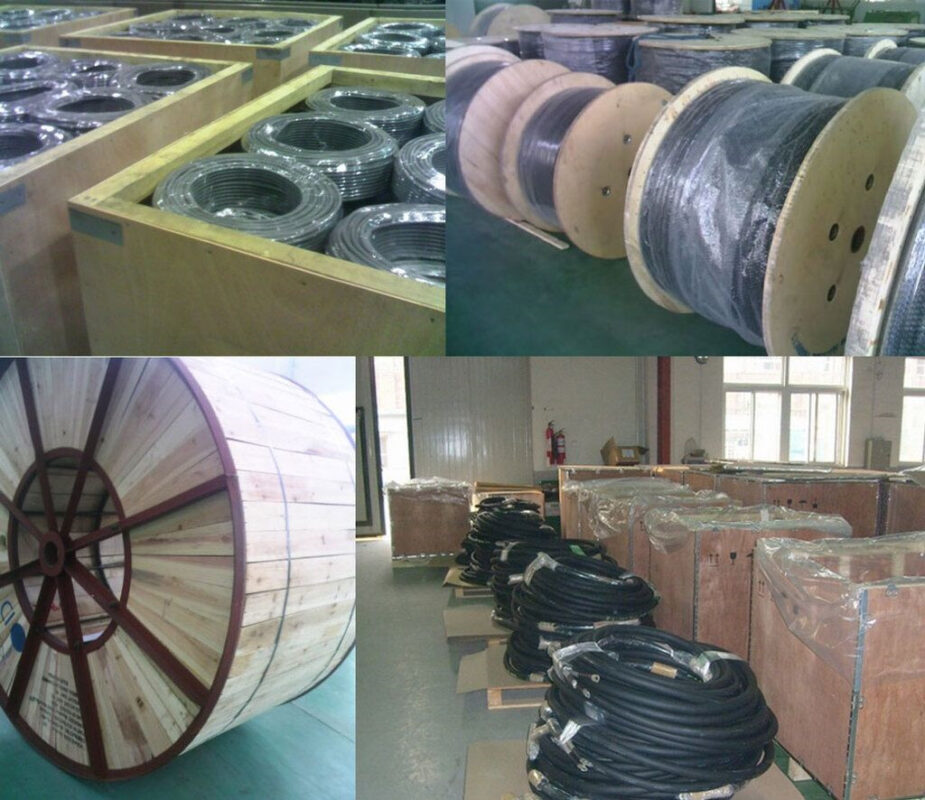
Packaging & Shipping


Fly

❓ Frequently Asked Questions (FAQ)

1. What is the main difference between Type EVT and Type EVJT cables?
The primary difference is the voltage rating and available sizes:

  • Type EVT: Rated for 600 Volts. It is available in a wider range of sizes, from 14 AWG up to 2 AWG, making it suitable for higher-power charging applications.

  • Type EVJT: Rated for 300 Volts. It is available in smaller sizes (14 AWG and 12 AWG), typically used for lighter-duty or specific EV charging connections.

2. What are the primary applications for these cables?
They are designed for Electric Vehicle (EV) charging infrastructure. They are intended for both indoor and outdoor use in accordance with Article 400 of the National Electrical Code (NEC).

3. What is the operating temperature range?
Both the EVT and EVJT cables are engineered for extreme environments, operating efficiently in temperatures ranging from -50°C to 105°C.

4. What materials are used for the insulation and jacket?
Both cables use Thermoplastic Elastomer (TPE) for the insulation and the outer jacket. This material provides excellent flexibility, high abrasion resistance, and protection against heat, cold, oil, solvents, and chemicals.

5. What does the “3C+1C” configuration mean?
The “3C+1C” indicates the cable contains 3 main power conductors (sized 14 AWG to 2 AWG depending on the model) plus 1 ground/neutral conductor (which is 18 AWG in these specifications).

6. What standards do these EV charging cables comply with?
They are manufactured to comply with UL62 standards. The conductors are made of annealed stranded bare copper conforming to ASTM B-174.

7. Are these cables resistant to wear and tear?
Yes. The TPE jacket provides excellent abrasion resistance and heat aging resistance. Furthermore, the cables are highly resistant to chemicals, solvents, and oils, which is crucial for long-term exposure in outdoor charging environments.
Reviews

There are no reviews yet.

Be the first to review “AGKABEL Electrical Vehicle Charging Cables – Type EVT & EVJT (UL62)”

Your email address will not be published. Required fields are marked *

RELATED PRODUCTS