
❓ Frequently Asked Questions (FAQ)
1. What are the primary applications for these cables?
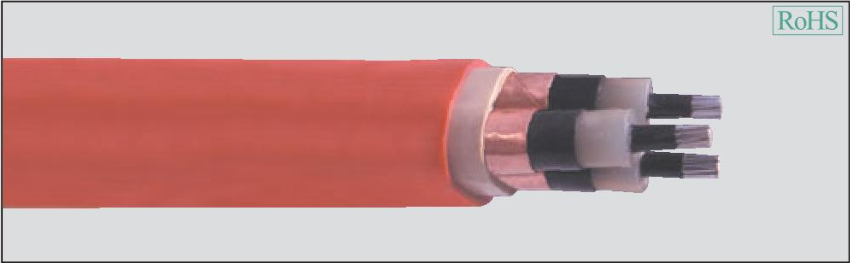
They are designed for transfer and distribution of electrical power in urban and district electrical networks, as well as for the electrical supply of transformer’s substations, small and medium industrial plants, and distribution installations, power stations, and industrial systems.
2. What are the key benefits of XLPE insulation?
XLPE (Cross-linked Polyethylene) insulation offers superior dielectric strength, higher current-carrying capacity, and excellent resistance to thermal deformation, making these cables highly reliable for high-voltage power distribution.
3. What do the different part numbers (2XSEY, NA2XSEY, etc.) mean?
-
2X: Copper conductor.
-
NA2X: Aluminium conductor.
-
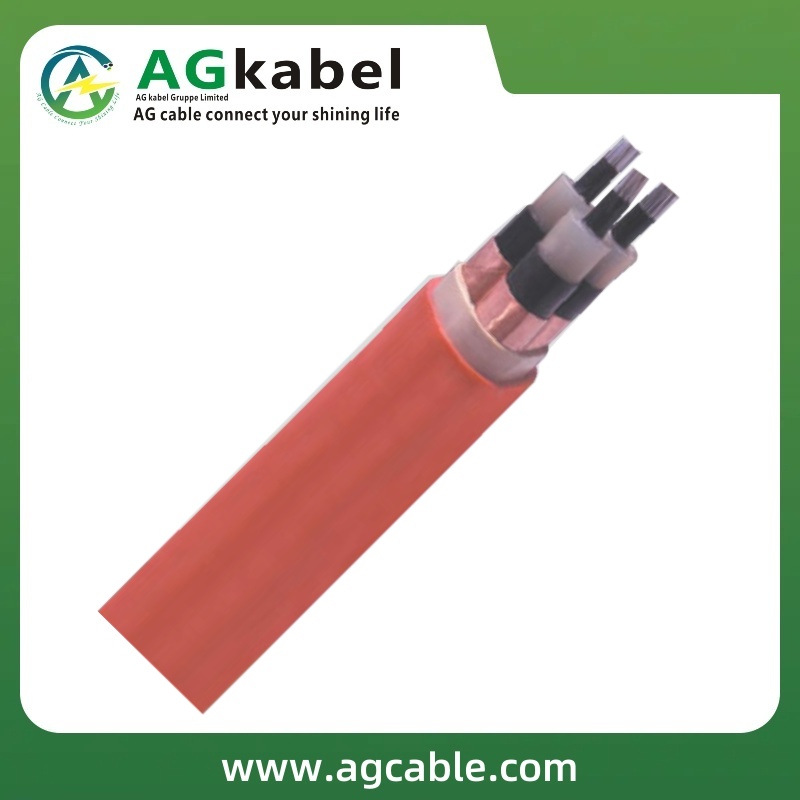
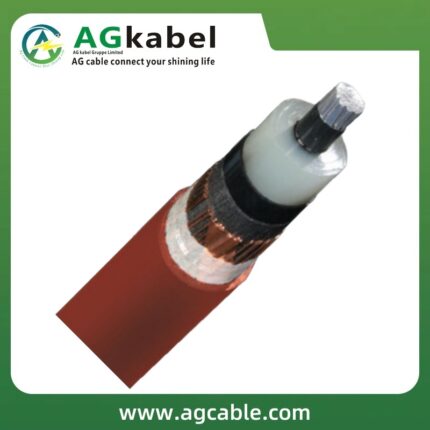
S: Copper wire screen.
-
E: Three-core cable.
-
Y: PVC outer sheath.
4. What is the voltage range of these cables?
They are available in 6/10 kV, 12/20 kV, and 18/30 kV ratings.
5. What is the maximum operating temperature?
The continuous operating temperature is 90°C, with a maximum overload temperature of 130°C (100h/year max) and a short-circuit temperature of 250°C (5s max).
6. What standards do these cables comply with?
They comply with IEC 60502-2 and DIN VDE 0276-620, and are RoHS compliant.
7. What sizes and core configurations are available?
Available in three-core configurations, with conductor sizes ranging from 35mm² to 300mm².
Reviews
There are no reviews yet.