
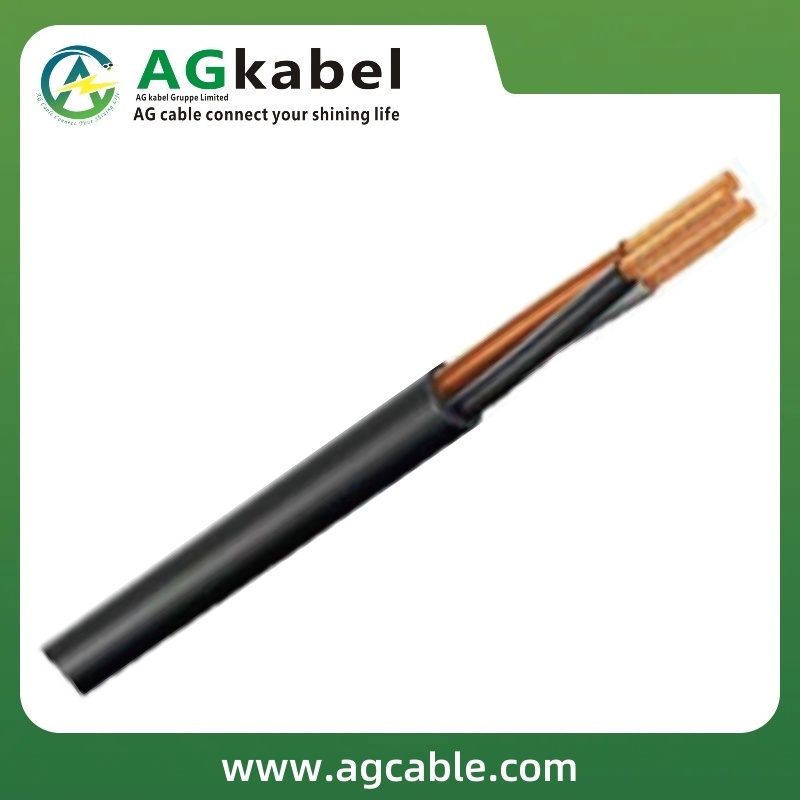
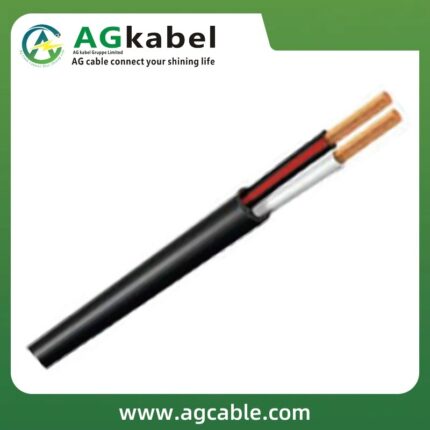
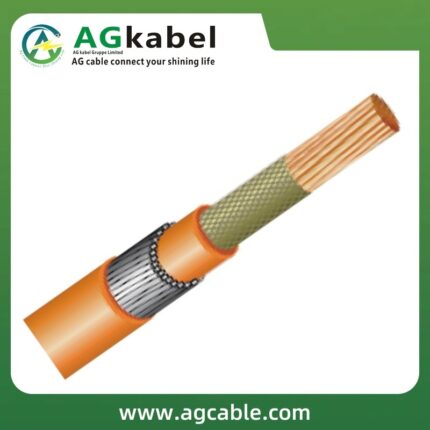
AGKABEL GRUPPE LIMITED presents the FLYY and FLRYY PVC Automotive Cables, engineered for reliable electrical performance across a wide range of vehicle wiring applications. Manufactured to the stringent ISO 6722 standard, these multi-core cables are built using high-conductivity, soft-annealed electrolytic copper conductors (available bare or tinned) and feature robust PVC insulation and a plasticized PVC outer sheath.
The series offers two distinct configurations to meet specific design requirements:
-
FLYY Series: The standard multi-core option. Cables with heat- and hot-pressure resistant designs are available upon request, making them suitable for higher-temperature zones.
-
FLRYY Series: Features space-saving, thin-wall insulation. By reducing the insulation thickness, the overall diameter of the cable is significantly minimized, allowing for tighter routing and reducing the weight of complex wiring harnesses.
Both series are rated for continuous operation from -40°C to +105°C (3000 hrs), ensuring durability and long-term performance in extreme automotive environments.
Technical Data
-
Standard: ISO 6722
-
Conductor: Soft-annealed electrolytic copper (bare or tinned)
-
Insulation: PVC (Polyvinyl chloride)
-
Sheath: Plasticized PVC
-
Rated Temperature: -40°C to +105°C (3000 hrs)
-
Sheath Marking: Manufacture name (trademark) and type, Production year/week or batch number, Metre-marked
-
Special Properties:
-
FLYY: Heat- and hot-pressure resistant designs can be supplied on request.
-
FLRYY: Versions with space-saving, thin-wall insulation.
-
Technical Specifications Table
| Structure (Cores/mm²) | Conductor No. | Conductor Dia. (mm) | Insulation Thick. (mm) | Insulation Dia. (mm) | Sheath Thick. (mm) | Sheath Dia. (mm) | Max. Cond. Resistance at 20°C (Bare Ω/m) | Weight (Kg/km) |
|---|---|---|---|---|---|---|---|---|
| FLYY | ||||||||
| 2 * 0.5 | 16 | 0.21 | 0.40 | 1.75 | 0.50 | 4.7 | 38.2 | 31.0 |
| 2 * 0.75 | 24 | 0.21 | 0.60 | 2.30 | 0.50 | 5.8 | 25.4 | 48.0 |
| 7 * 0.75 | 24 | 0.21 | 0.50 | 2.15 | 0.80 | 9.4 | 25.4 | 112.0 |
| 7 * 1.0 | 32 | 0.21 | 0.60 | 2.50 | 1.00 | 9.6 | 19.1 | 148.0 |
| 7 * 1.5 | 30 | 0.26 | 0.60 | 2.75 | 1.10 | 11.0 | 13.0 | 201.0 |
| FLRYY | ||||||||
| 2 * 0.35 | 7 | 0.26 | 0.25 | 1.30 | 0.50 | 3.7 | 54.5 | 20.0 |
| 2 * 0.5 | 19 | 0.19 | 0.30 | 1.60 | 0.60 | 4.6 | 38.2 | 29.0 |
| 2 * 0.5 | 16 | 0.21 | 0.30 | 1.60 | 0.60 | 4.6 | 38.2 | 29.0 |
| 2 * 0.75 | 24 | 0.21 | 0.30 | 1.75 | 0.60 | 4.9 | 25.4 | 36.0 |
| 2 * 1.0 | 32 | 0.21 | 0.30 | 1.95 | 0.60 | 5.4 | 19.1 | 45.0 |
| 5 * 0.75 | 24 | 0.21 | 0.30 | 1.75 | 0.75 | 6.7 | 25.4 | 75.0 |
| 6 * 0.5 | 16 | 0.21 | 0.30 | 1.60 | 0.85 | 6.8 | 38.2 | 68.0 |
| 6 * 0.75 | 24 | 0.21 | 0.30 | 1.75 | 0.75 | 7.0 | 25.4 | 82.0 |
| 6 * 1.0 | 32 | 0.21 | 0.30 | 1.95 | 1.00 | 8.0 | 19.1 | 114.0 |
| 7 * 0.75 | 24 | 0.21 | 0.30 | 1.75 | 0.75 | 7.0 | 25.4 | 89.0 |
| 7 * 1.0 | 32 | 0.21 | 0.30 | 1.95 | 0.75 | 7.6 | 19.1 | 113.0 |
| 8 * 0.5 | 16 | 0.21 | 0.30 | 1.60 | 0.95 | 7.5 | 38.2 | 87.0 |
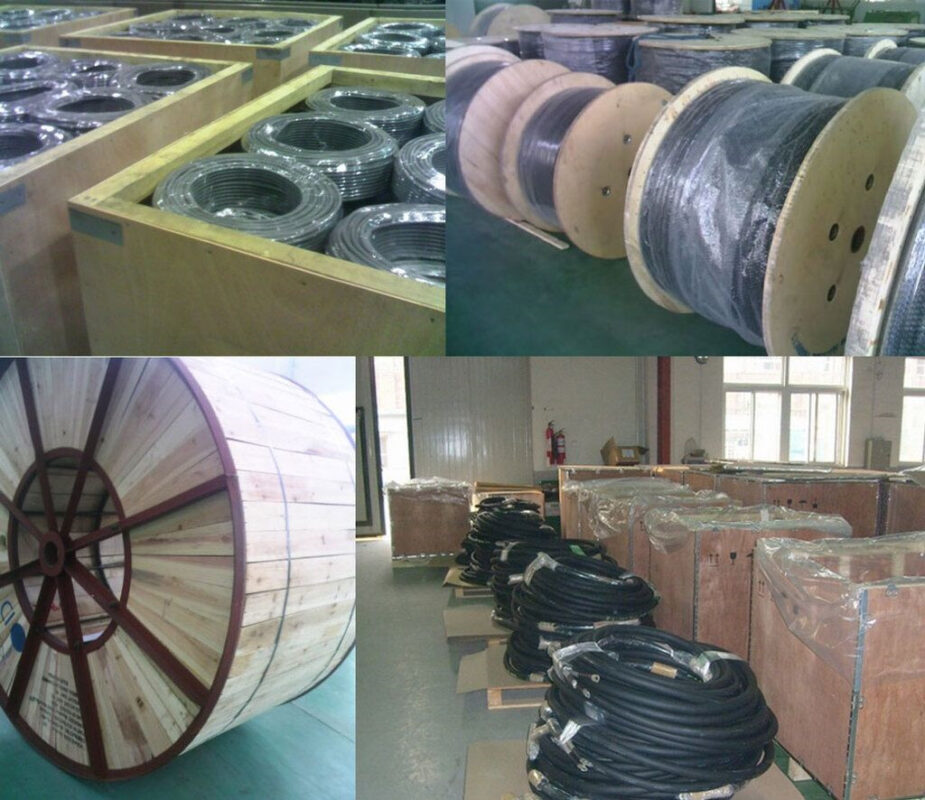
Factory Overview
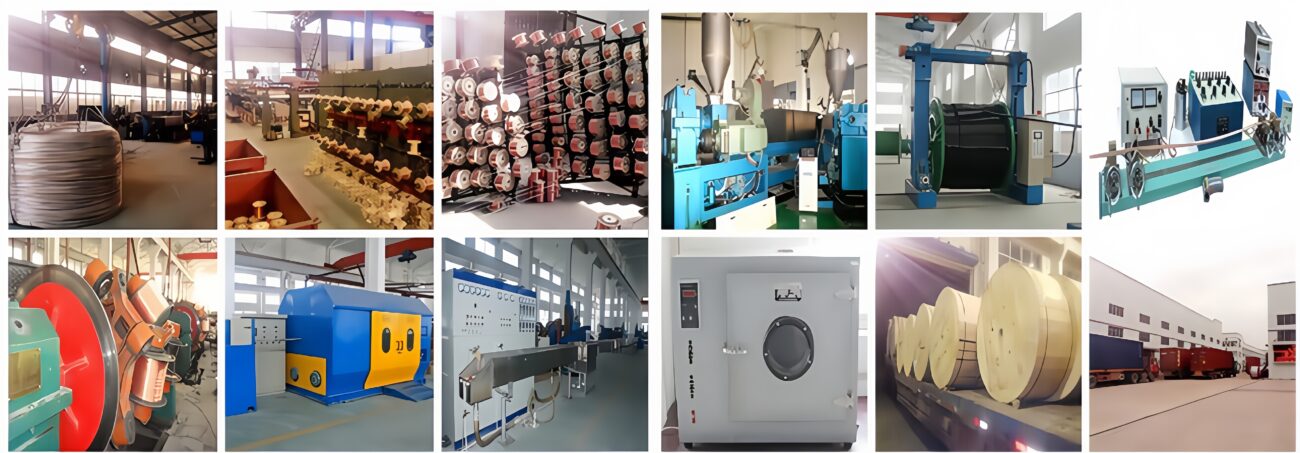
Packaging & Shipping

Frequently Asked Questions (FAQ)
Q1: What is the main difference between the FLYY and FLRYY cables?
A: The primary difference lies in the wall thickness. The FLYY series uses standard wall thickness, with the option for heat/hot-pressure resistance. The FLRYY series features a thin-wall insulation design, significantly reducing the cable’s overall outer diameter and weight, which is ideal for space-constrained harnesses.
Q2: What are the typical applications for these PVC automotive cables?
A: They are widely used in automotive wiring harnesses for power distribution, control signals, and general electrical connections within the vehicle cabin, chassis, and engine compartments.
Q3: Can FLYY cables handle high temperatures?
A: Yes, the standard rated temperature is -40°C to +105°C. For specific high-heat zones, AGKABEL offers a heat- and hot-pressure resistant version of FLYY upon request (typically up to 150°C, depending on the specific compound).
Q4: What is the benefit of the thin-wall design in the FLRYY series?
A: The thin-wall design reduces the cable’s outer diameter without compromising the electrical insulation properties. This allows for tighter bending radii, easier routing in narrow spaces, and a reduction in overall harness weight, which contributes to vehicle fuel efficiency.
Q5: What conductor materials are used?
A: Both series utilize soft-annealed electrolytic copper strands, available in either bare or tinned options. Tinned copper is often selected for applications requiring enhanced corrosion resistance.
Q6: What standard do these cables comply with?
A: They are manufactured to meet the ISO 6722 international standard for road vehicles, ensuring high quality, reliability, and performance.
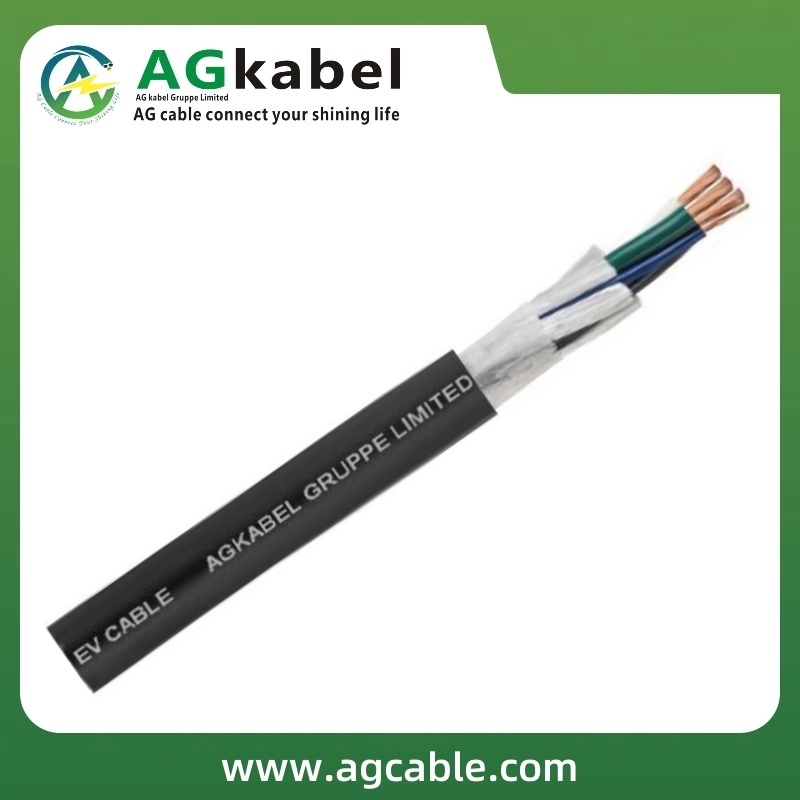
AGKABEL Electrical Vehicle Charging Cable – Type EVJ, 300V, UL62
High-performance EV charging cables designed for safe and reliable indoor/outdoor use (per NEC Article 400). Features Annealed Stranded Bare Copper conductors, Thermoplastic Elastomer (TPE) insulation and jacket, and excellent resistance to extreme temperatures, chemicals, oil, and abrasion. Temperature range: -50°C to 105°C. Available in 3C+1C configurations with main conductors from 14 AWG to 12 AWG.
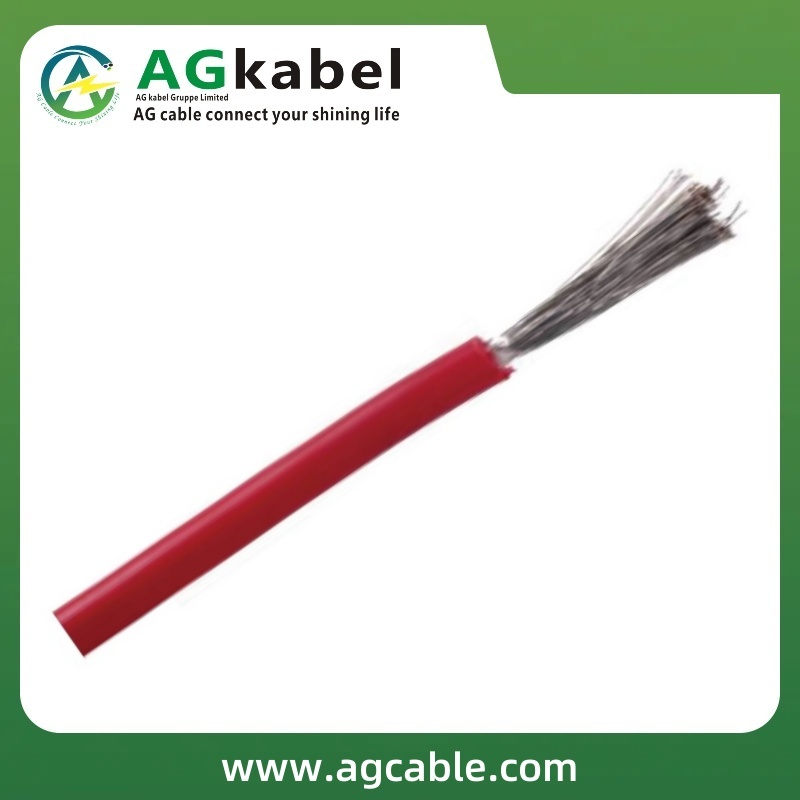
AGKABEL FLYW Cables – PVC Automotive Cable, Hot-Pressure Resistant (Engine Compartment Approved)
AGKABEL FLYW Cables are high-performance PVC automotive cables specifically engineered to withstand the extreme thermal and mechanical stresses found inside vehicle engine compartments. Featuring a hot-pressure resistant insulation tested at 120°C and a wide operating temperature range of -40°C to +125°C, these single-core cables ensure reliable performance in the harshest automotive environments. Manufactured with soft-annealed electrolytic copper for optimal conductivity and built to Bosch standards, they are available in cross-sections ranging from 0.5 mm² to 25 mm², making them the ideal choice for robust automotive wiring harnesses and high-temperature engine applications.
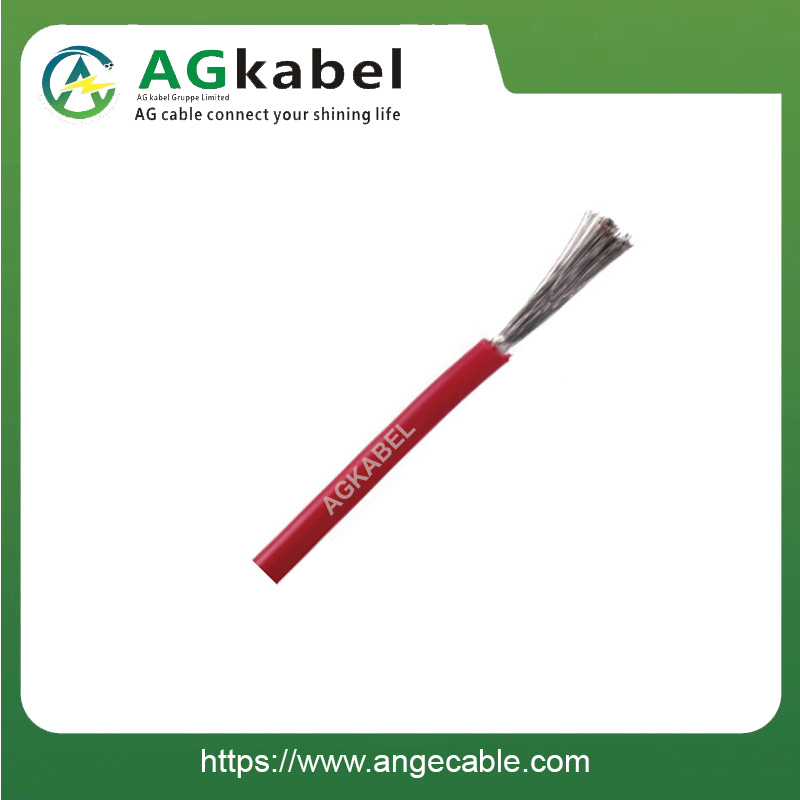
FLRY-A PVC Automotive Cable with Concentric Conductor – Type A
The FLRY-A cable delivers dependable electrical connections for automotive wiring systems. Constructed with a tinned or bare copper concentric conductor and specialized plasticized PVC insulation, it offers excellent conductivity, corrosion resistance, and thermal stability. Because it meets BMW and FIAT standards, it provides a safe and reliable solution for use with insulation displacement connectors in vehicles.
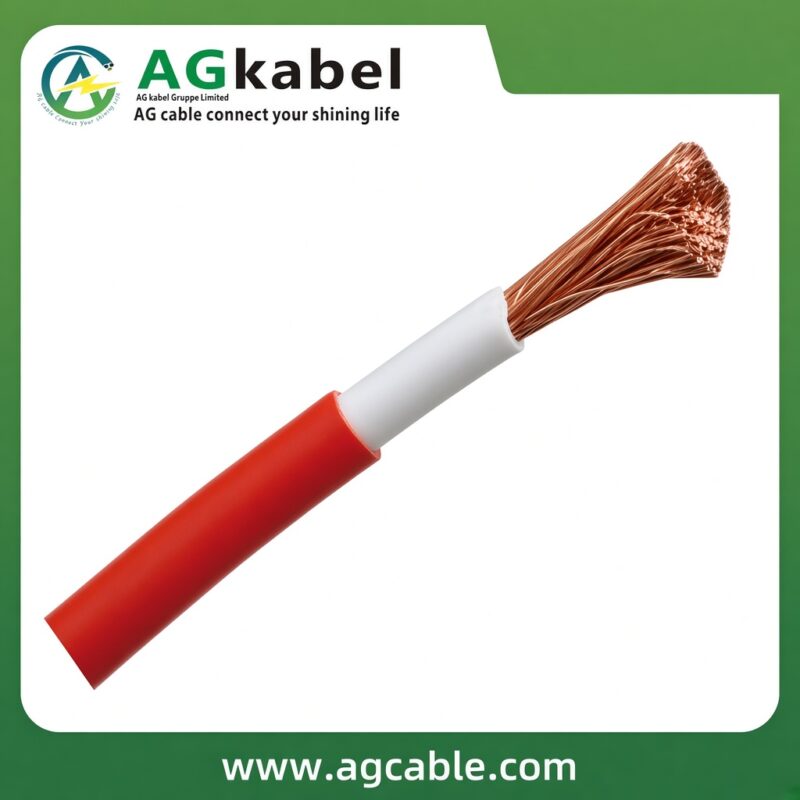
FLYY Single-Core PVC Automotive Cable – PVC Insulated and Sheathed Cable (ISO 6722)
The FLYY single-core PVC automotive cable provides dependable electrical connections in vehicle wiring systems. It features a bare copper conductor, lead-free plasticized PVC core insulation and an additional PVC outer sheath. Furthermore, it supports a rated temperature range of -40°C to +105°C for 3,000 hours. Designed according to ISO 6722 standards, this automotive cable is available with firmly bonded or separable sheath options and conductor cross-sections ranging from 0.50 mm² to 2.50 mm².
TWP PVC Automotive Cable – Thin-Wall Lead-Free Insulated Cable (SAE J1128)
The TWP PVC automotive cable delivers reliable electrical connections in vehicle wiring systems. It features a bare copper conductor and thin-wall, lead-free PVC insulation. Furthermore, it supports a temperature range of -40°C to +85°C for 3,000 hours and +105°C for 48 hours. Designed according to SAE J1128 standards, this automotive cable provides a suitable solution for compact vehicle wiring and automotive wiring harness applications.
Reviews
There are no reviews yet.