

❓ Frequently Asked Questions (FAQ)
1. What is an ACSR conductor?
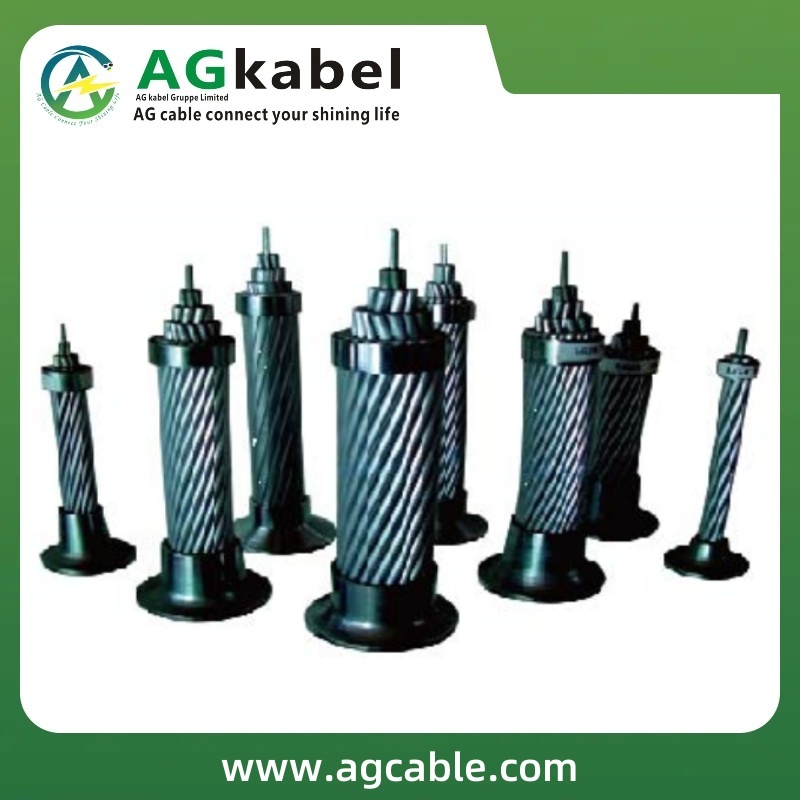
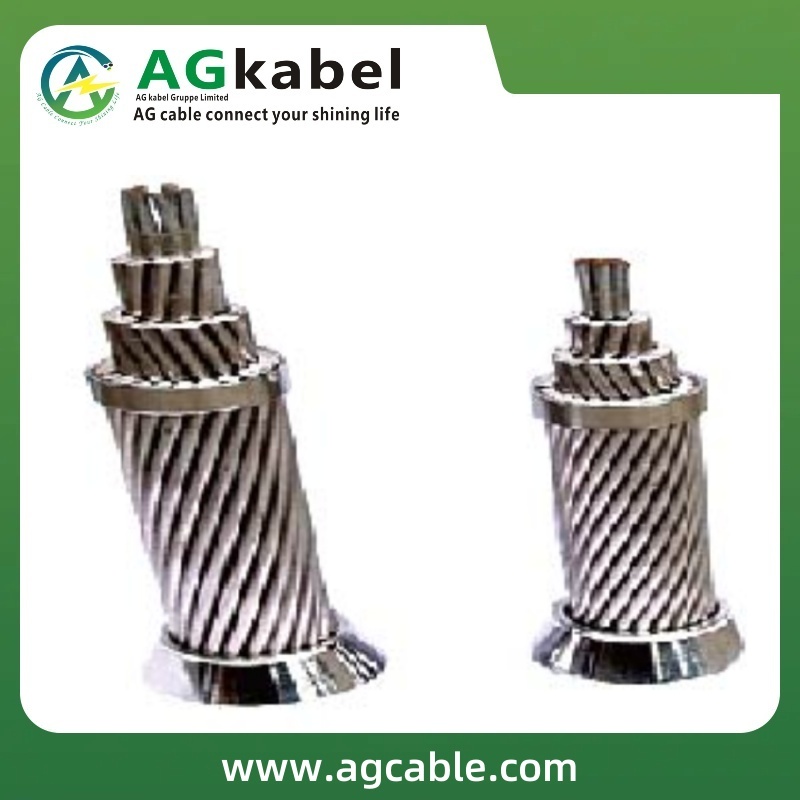
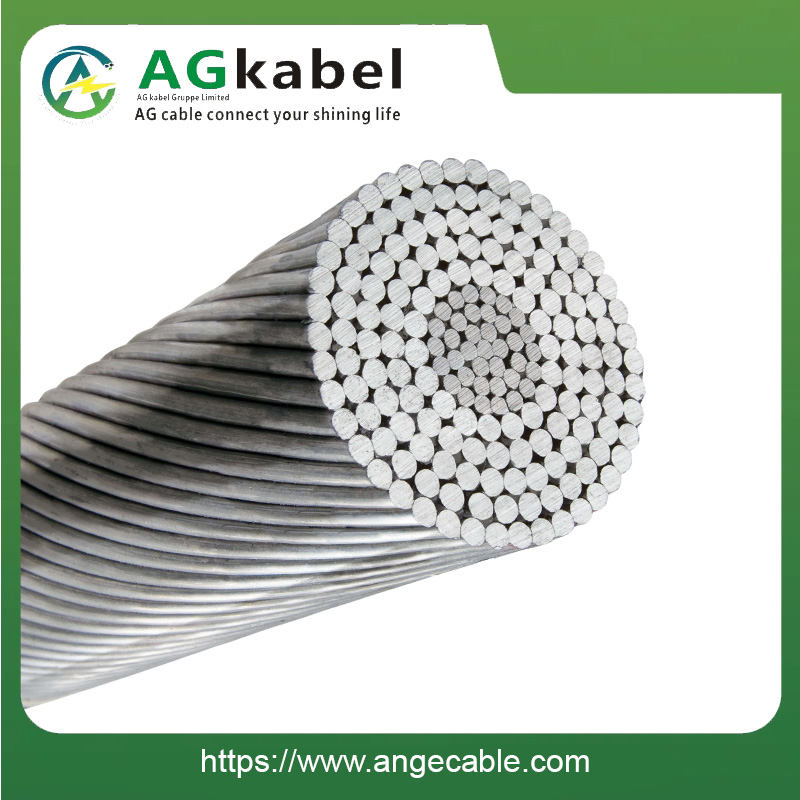
ACSR stands for Aluminium Conductor Steel Reinforced. It is a type of bare stranded conductor consisting of an inner core of galvanized steel wires surrounded by outer layers of aluminium wires.
2. Why is ACSR used for power transmission?
ACSR is used because it offers an excellent strength-to-weight ratio. The steel core provides high tensile strength, allowing the conductor to be strung with less sag over long spans. The aluminium outer layers provide high electrical conductivity and resist atmospheric corrosion.
3. What does the ASTM standard ensure?
The ASTM (American Society for Testing and Materials) standard ensures that the conductor’s material composition, dimensions, mechanical properties, and electrical resistance meet specific, internationally recognized quality and safety criteria.
4. What do the code names (e.g., Swan, Raven, Eagle) mean?
These code names are industry-standard identifiers used to quickly reference a specific ACSR conductor size and construction (e.g., the specific number of aluminium and steel strands and their diameters). They are traditionally named after birds.
5. Can ACSR conductors be used in coastal areas?
Yes, standard ACSR offers good corrosion resistance due to the aluminium outer layers. However, for highly corrosive coastal or industrial environments, we also offer specific anti-corrosive variants (like greased conductors or aluminium-clad steel cores) upon request.
6. How do I choose the right size?
The selection depends on several factors, including the required current-carrying capacity, allowable voltage drop, span length, and the mechanical loads (wind/ice) the line will face. Please consult our engineering team with your project parameters.
Reviews
There are no reviews yet.