
❓ Frequently Asked Questions (FAQ)
1. What are the primary applications for these cables?
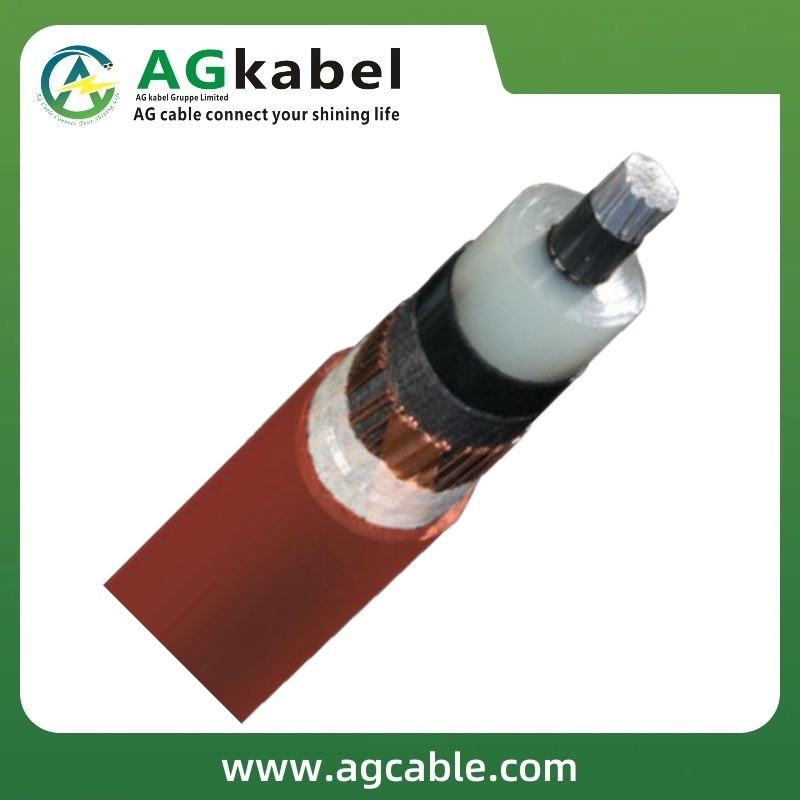
They are designed for transfer and distribution of electrical power in urban and district electrical networks, as well as for the electrical supply of transformer’s substations, small and medium industrial plants, and distribution installations, power stations, and industrial systems.
2. What is the significance of the water-blocking elements?
The longitudinal water-blocking elements (water-absorbing tapes) prevent water from propagating along the cable in case of damage, significantly enhancing the cable’s reliability and lifespan, especially in underground or wet installations.
3. What are the voltage ratings of these cables?
They are available in 8.7/15 kV, 12/20 kV, and 20.8/36 kV ratings.
4. What is the maximum operating temperature?
The continuous operating temperature is 90°C, with a maximum overload temperature of 120°C (100h/year max) and a short-circuit temperature of 250°C (5s max).
5. What standards do these cables comply with?
They comply with NBN C 33-323 and are RoHS compliant. Conductor resistance is according to IEC 60228 class 2.
6. What is the difference between EXeCVB and EAXeCVB?
-
EXeCVB: Features Copper (Cu) conductors.
-
EAXeCVB: Features Aluminium (Al) conductors, offering a lighter and more cost-effective alternative.
7. What sizes and core configurations are available?
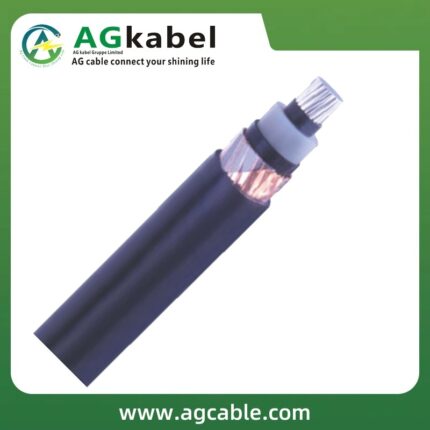
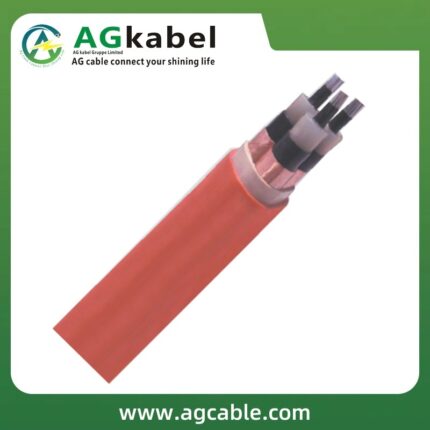
Available in single-core configurations, with conductor sizes ranging from 25mm² to 400mm².
Reviews
There are no reviews yet.