
Application
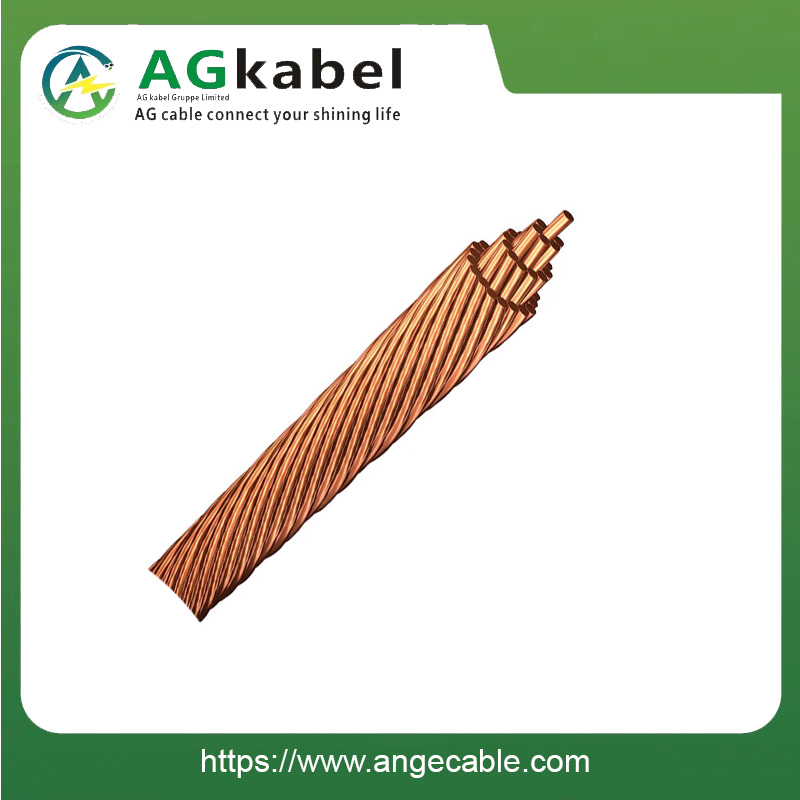
Multiwire flexible copper conductors provide the essential conductive elements for flexible cables and wiring. Because they are highly stranded (Class 4), installers use them in applications requiring exceptional flexibility and resistance to repeated bending. Furthermore, these conductors are ideal for manufacturing flexible cables used in control systems, robotics, and mobile electrical equipment. Consequently, they ensure reliable electrical transmission and long-lasting durability in dynamic environments.
Cable construction
These conductors strictly adhere to BDS 904-84 standards. They are constructed exclusively from high-conductivity copper. The construction features a high number of fine wires stranded together to form the specific nominal cross-section. This specific stranding pattern is designed to maximize flexibility while maintaining the required electrical resistance characteristics.
Technical Data
The conductors deliver consistent performance under specific conditions. The electrical resistance at 20 °C is strictly controlled according to the nominal cross-section. For plain copper conductors, the maximum resistance ranges from 158.3 Ω/km (0.12 mm²) down to 0.0392 Ω/km (500 mm²). For tinned copper conductors, the maximum resistance ranges from 162.3 Ω/km (0.12 mm²) down to 0.0400 Ω/km (500 mm²). The construction ensures optimal conductivity and minimal power loss across all available sizes.
Constructive Data Table
Please refer to the following comprehensive specifications for precise sizing, stranding, and electrical resistance information.
Construction data Cu conductors class 4
| Nominal cross-section | Stranding and wire diameter | Electrical resistance at 20°C, max | |
|---|---|---|---|
| mm² | N x mm | Copper conductors (Ω/km) | Tinned copper conductors (Ω/km) |
| 0,12 | 7/0,15 | 158,3 | 162,3 |
| 0,14 | 8/0,15 | 138,5 | 142,0 |
| 0,20 | 7/0,20 | 89,3 | 91,5 |
| 0,25 | 8/0,20 | 70,8 | 72,5 |
| 0,35 | 7/0,25 | 57,0 | 58,4 |
| 0,50 | 16/0,20 | 40,1 | 41,1 |
| 0,75 | 11/0,30 | 26,9 | 27,6 |
| 1,00 | 16/0,30 | 19,80 | 20,40 |
| 1,50 | 12/0,40 | 12,70 | 13,00 |
| 2,50 | 20/0,40 | 7,64 | 7,82 |
| 4,00 | 20/0,50 | 4,89 | 4,99 |
| 6,00 | 30/0,50 | 3,06 | 3,13 |
| 10,0 | 70/0,50 | 2,00 | 2,04 |
| 16,0 | 70/0,60 | 1,21 | 1,24 |
| 25,0 | 140/0,50 | 0,780 | 0,795 |
| 35,0 | 71/0,67 | 0,554 | 0,565 |
| 50,0 | 120/0,67 | 0,375 | 0,382 |
| 70,0 | 120/0,67 | 0,270 | 0,276 |
| 95,0 | 190/0,67 | 0,203 | 0,207 |
| 120 | 190/0,67 | 0,158 | 0,161 |
| 150 | 190/0,85 | 0,123 | 0,126 |
| 185 | 300/0,85 | 0,100 | 0,101 |
| 240 | 371/0,85 | 0,0788 | 0,0814 |
| 300 | 392/0,85 | 0,0641 | 0,0654 |
| 400 | 611/0,85 | 0,0489 | 0,0509 |
| 500 | 614/0,85 | 0,0392 | 0,0400 |
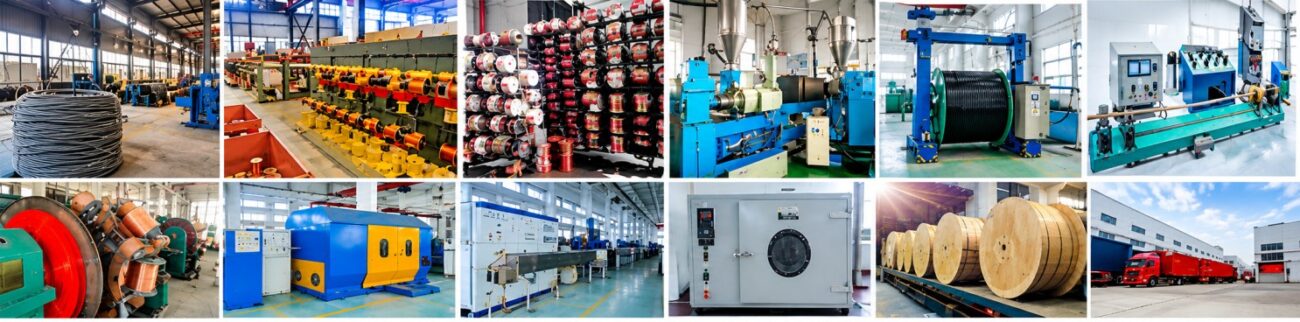
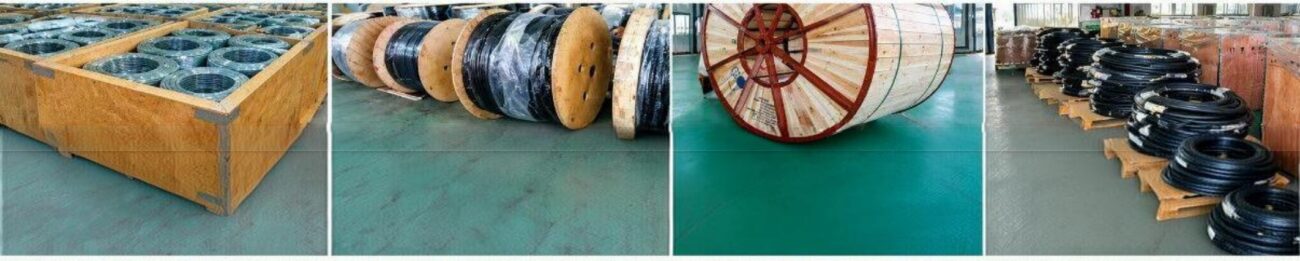
Factory Overview
Packaging & Shipping

Frequently asked questions and answer ( Q:- A:- )
Q:- What is the primary application of these multiwire conductors?
A:- They are used as the conductive elements for highly flexible cables and conductors, suitable for dynamic environments like control systems and mobile equipment.
Q:- What are the key benefits of Class 4 conductors?
A:- Class 4 stranding features a high number of fine wires, providing exceptional flexibility and resistance to repeated bending compared to standard stranded conductors.
Q:- What standard do these conductors follow?
A:- These conductors strictly adhere to BDS 904-84 standards.
Q:- What materials are available for these conductors?
A:- They are available in both plain high-conductivity copper and tinned copper (for enhanced corrosion resistance).
Q:- What is the smallest cross-section available?
A:- The smallest cross-section available is 0.12 mm², with a stranding of 7/0.15.
Q:- What is the largest cross-section available?
A:- The largest cross-section available is 500 mm², with a stranding of 614/0.85.
Q:- How is the electrical resistance of the conductors specified?
A:- The electrical resistance is strictly specified at a maximum value at 20°C (Ω/km) for each nominal cross-section to ensure predictable performance.
Q:- Why are the resistance values slightly different for plain and tinned copper?
A:- Tinning adds a thin layer of tin over the copper, which slightly increases the overall electrical resistance of the conductor.
Q:- Is the stranding pattern consistent across all sizes?
A:- No, the number of wires and their diameter increase significantly with the nominal cross-section to optimize flexibility and conductivity.
Q:- Are these conductors suitable for power cables?
A:- Yes, they are ideal for flexible power and control cables where high flexibility is required.
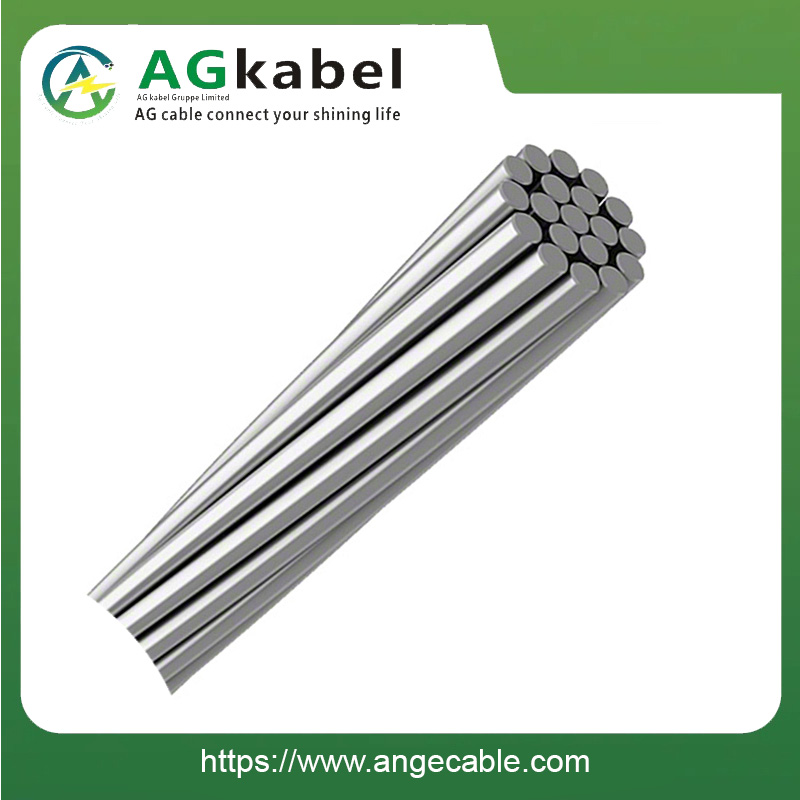
Bare Aluminum & ACSR Conductors – BS 215 Part 1 & 2
The bare aluminum and aluminum conductors steel reinforced (ACSR) deliver dependable overhead power transmission for exposed environments. Constructed with high-conductivity aluminum, and a galvanized steel core in the ACSR variants, they offer excellent tensile strength and minimal power loss. Because they comply with BS 215 Part 1 and Part 2 standards and are available in various cross-sections, they provide a reliable solution for overhead electric power transmission systems.
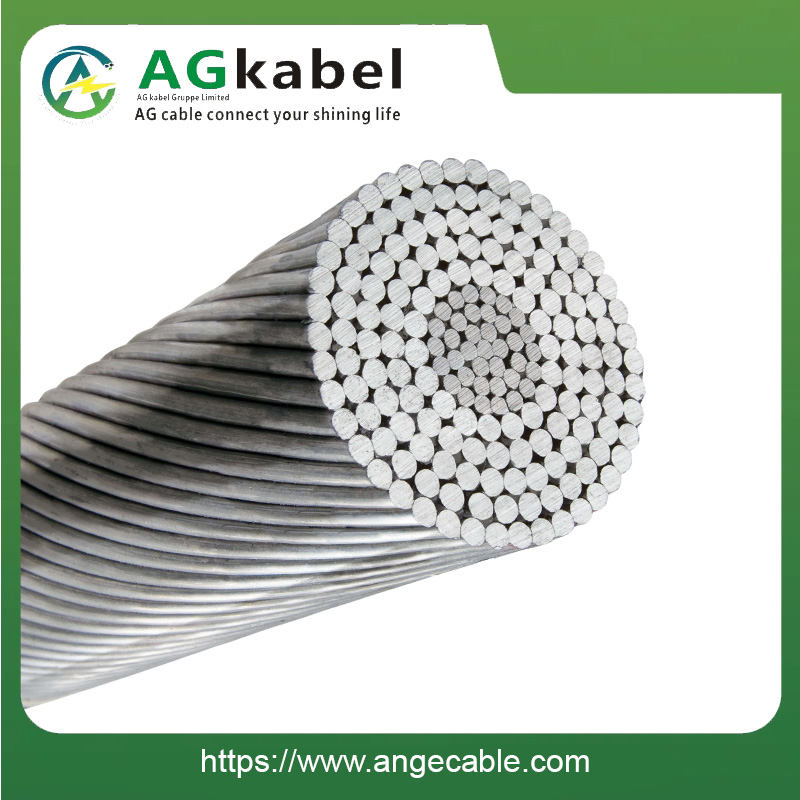
Bare Aluminum & ACSR Conductors for Overhead Lines – BDS 1133-89
The bare aluminum and aluminum conductors steel reinforced (ACSR) deliver dependable overhead power transmission for exposed environments. Constructed with high-conductivity aluminum, and a galvanized steel core in the ACSR variants, they offer excellent tensile strength and minimal power loss. Because they comply with BDS 1133-89 standards and are available in various cross-sections, they provide a reliable solution for overhead electric power transmission systems.
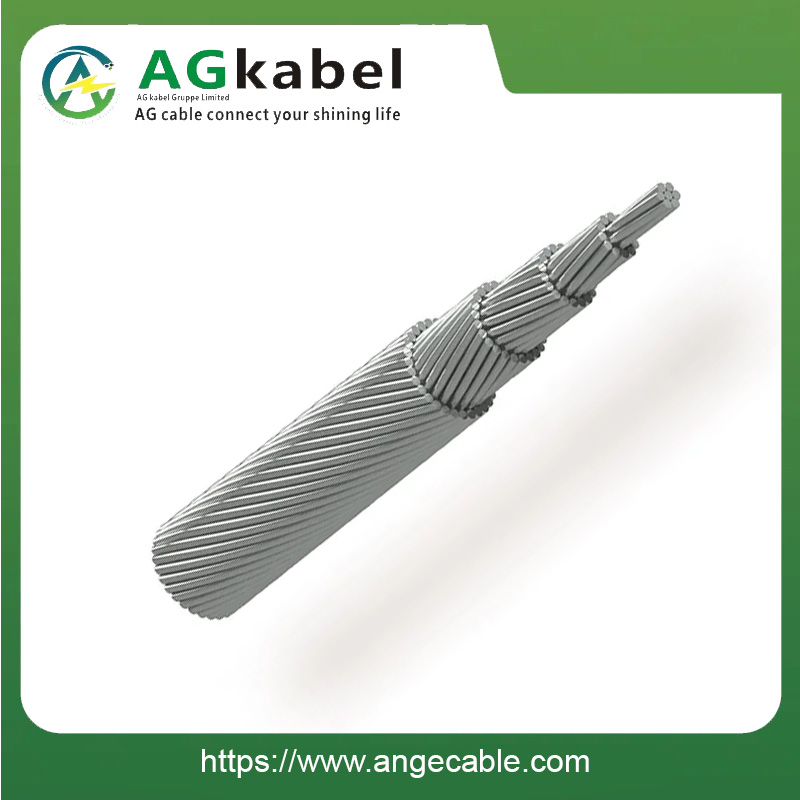
Bare Aluminum & ACSR Stranded Conductors – BDS EN 50182
The bare aluminum and aluminum steel reinforced (ACSR) stranded conductors deliver dependable overhead power transmission for exposed environments. Constructed with high-conductivity aluminum, and a galvanized steel core in the ACSR variants, they offer excellent tensile strength and minimal power loss. Because they comply with BDS EN 50182 standards and are available in various cross-sections, they provide a reliable solution for overhead electric power transmission systems.
Bare Aluminum Stranded Conductors – VDE 48201 Part 5
The bare aluminum stranded conductors deliver dependable overhead power transmission for electrical networks. Constructed with high-conductivity bare aluminum and multiple stranded wires, they offer excellent tensile strength and minimal power loss. Because they comply with VDE 48201 Part 5 standards and are available in cross-sections from 16 mm² to 500 mm², they provide a reliable solution for overhead electric power transmission systems.
Multiwire Extra-Flexible Copper Conductors Class 6 – IEC 60228
The multiwire extra-flexible copper conductors (Class 6) deliver dependable electrical conductivity for highly dynamic cable applications. Constructed with a very high number of fine copper wires stranded together, they offer maximum flexibility and resistance to continuous bending. Because they comply with IEC 60228, DIN VDE 0295, and BS 6360 standards and are available in plain or tinned copper, they provide a reliable solution for robotic cables, portable equipment, and tight-space installations.
Reviews
There are no reviews yet.